What Is Container Metal and How Is It Used?
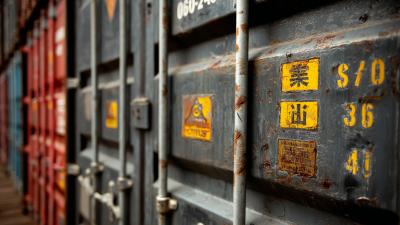
Container Metal refers mainly to the steel used in intermodal shipping containers. It forms the corrugated walls, roof, doors, and structural frame. These parts must withstand lifting, stacking, vibration, salt air, and changing temperatures. A loaded container may travel through ports, rail yards, and busy roads before reaching its destination.
Most containers use weathering steel, commonly called Corten steel. Its alloying elements help create a protective surface layer under suitable conditions. However, this layer does not make the metal completely rustproof. Scratches, trapped water, damaged coatings, and coastal exposure can still cause corrosion. Galvanized steel and painted steel also appear in container manufacturing, depending on the component and production requirements. Manufacturers typically follow recognized specifications, including ISO container dimensions and corner-fitting standards. These references support safe handling and consistent compatibility worldwide.
The practical use of Container Metal extends beyond freight transport. Businesses convert retired units into workshops, offices, storage rooms, and temporary facilities. Metalworkers may cut openings, reinforce frames, install insulation, and add protective coatings. Each modification changes the original load path. Professional inspection matters. A small cut near a corner post can weaken the structure more than expected. This is where general advice becomes limited. Climate, cargo weight, welding quality, and local building requirements all influence performance. Container metal is strong, but it is not indestructible. Understanding its grades, coatings, connections, and maintenance needs helps owners make safer, more durable decisions. Even experienced users can overlook hidden corrosion beneath flooring or paint. Careful measurement and qualified engineering review remain worthwhile.
Definition and Composition of Container Metal Under ISO 668 Standards
What Is Container Metal and How Is It Used?
Definition and Composition of Container Metal Under ISO 668 Standards
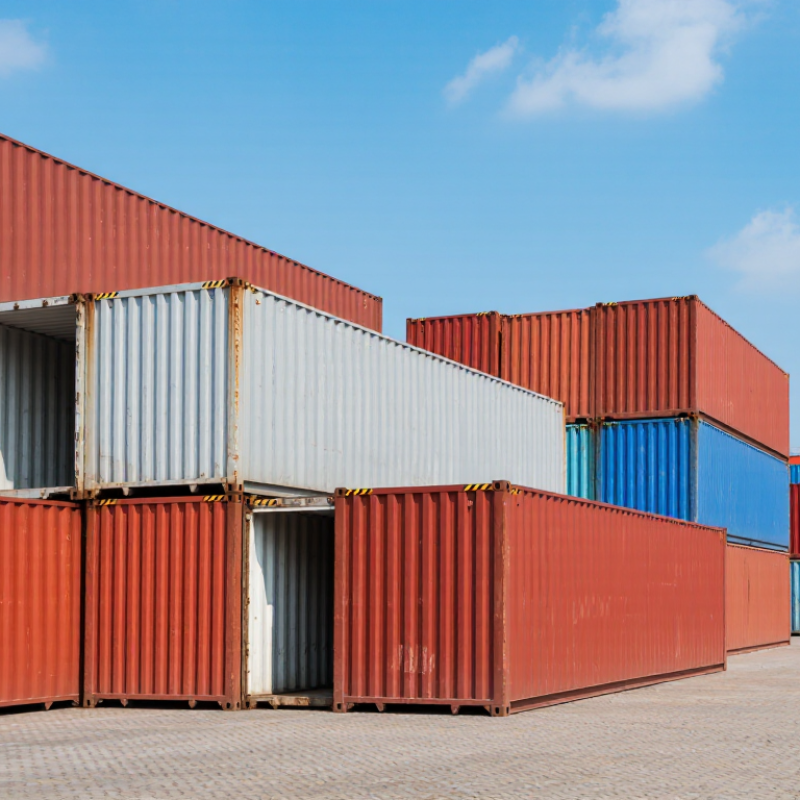
Container metal refers to the metal materials used in freight containers, including walls, frames, doors, and floor supports. Under ISO 668, containers are classified mainly by external dimensions, ratings, and handling requirements. The standard does not prescribe one universal alloy formula. That distinction matters. ISO 668 defines the container’s framework, not every chemical percentage.
In practical manufacturing, low-alloy weathering steel is common because it combines strength, weldability, and resistance to outdoor exposure. Its composition may include iron, carbon, manganese, silicon, copper, chromium, and nickel. Exact ratios vary by specification. Aluminum can reduce tare weight, while stainless steel may suit specialized environments. Corrugated side panels improve stiffness, and reinforced corner areas transfer lifting forces through the frame. A container may look simple. Its load paths are not.
Tips: Check the material certificate, plate thickness, weld quality, and corrosion condition before selecting or repairing a container. ISO 668 dimensions alone cannot confirm structural fitness. Salt air, damaged coatings, and hidden floor corrosion can weaken metal faster than expected. Visual inspection helps, but it is imperfect. A professional assessment remains wiser when dents, cracks, or heavy rust appear.
What Is Container Metal?
Freight containers are mainly built from low-carbon weathering steel, selected for strength, weldability, durability, and resistance to atmospheric corrosion. ISO 668 defines container dimensions and ratings; it does not prescribe one universal steel composition.
Representative Weathering-Steel Composition by Mass
The chart shows typical nominal values for container-grade weathering steel. Exact chemistry varies by steel grade and manufacturer.
Why Corten Steel Makes Up About 90% of Dry Shipping Containers
What Is Container Metal and How Is It Used?
Why Corten Steel Makes Up About 90% of Dry Shipping Containers
Container metal usually means the steel used for intermodal cargo boxes. Roughly 90% of dry shipping containers are built from weathering steel, commonly called Corten steel. This figure can vary by manufacturer, region, and container age. Still, it explains the material’s dominance.
Weathering steel contains small amounts of copper, chromium, nickel, and other alloying elements. When exposed to air and moisture, it develops a tight, brown protective patina. That surface slows deeper corrosion. It also gives containers their familiar rusty appearance. The effect is practical, not decorative.
A dry container may face rain, seawater spray, strong sunlight, and repeated lifting. Weathering steel handles these demands while remaining suitable for welding and mass production. Its strength protects cargo during stacking, rail transport, and long road journeys. Inside, steel panels are usually combined with a treated wooden floor.
The metal is not rust-proof. Saltwater, trapped moisture, damaged paint, and poorly sealed seams can accelerate corrosion. Cut edges and welded areas need careful inspection. A reddish surface is often normal, but flaking layers or soft spots signal trouble.
From practical inspection experience, small dents rarely threaten a container immediately. Neglected water damage can. The 90% estimate is helpful, yet it should not become a shortcut for judging every unit. Material grade, coating condition, repairs, and maintenance still matter.
What Is Container Metal and How Is It Used? – Why Corten Steel Makes Up About 90% of Dry Shipping Containers
| Data Dimension |
Typical Fact or Range |
How It Is Used in Dry Shipping Containers |
| Primary container metal |
High-strength weathering steel, commonly referred to as Corten-type steel |
Used for the main structural frame, corner posts, bottom rails, top rails, doors, and corrugated wall panels. |
| Estimated share in dry containers |
About 90% is a widely cited industry estimate for dry freight containers made primarily from weathering steel; the exact percentage varies by manufacturer, year, and container type. |
The material is favored because it combines structural strength, relatively low cost, weldability, and improved atmospheric corrosion resistance. |
| Weathering mechanism |
A tightly adhering rust-like patina can form during alternating wet and dry exposure. |
The patina slows further atmospheric corrosion in suitable environments, reducing the need for frequent repainting compared with ordinary carbon steel. |
| Corrosion limitations |
Weathering steel does not eliminate corrosion and performs poorly when continuously wet, buried, or exposed to heavy salt contamination without maintenance. |
Marine salt, trapped moisture, damaged coatings, and poor drainage can require additional inspection, cleaning, or protective coating. |
| Typical minimum yield strength |
Approximately 345 MPa for many high-strength weathering-steel grades used in container construction; specifications vary. |
Provides the strength needed to withstand stacking, lifting, vibration, cargo loads, and repeated handling. |
| Corrugated wall panels |
Commonly manufactured from relatively thin steel sheet, often around 1.6–2.0 mm, depending on the design and location. |
The corrugated profile increases stiffness without requiring a solid plate of the same structural efficiency. |
| Structural frame thickness |
Corner posts, rails, and cross-members are substantially thicker and heavier than wall panels; dimensions differ by container specification. |
These reinforced members transfer stacking and lifting forces through the container’s main load-bearing structure. |
| Standard external width |
Approximately 2.44 m, or 8 ft. |
This standardized width supports efficient transport by ship, rail, and road. |
| Common external lengths |
Approximately 6.06 m for a 20-foot container and 12.19 m for a 40-foot container. |
Length standards allow containers to be interchanged across different transportation systems. |
| Typical tare weight |
Roughly 2.2–2.5 metric tonnes for many 20-foot dry containers and about 3.7–4.0 metric tonnes for many 40-foot dry containers. |
The relatively low empty weight leaves more capacity for cargo while preserving structural durability. |
| Floor construction |
Usually a hardwood or engineered-wood floor supported by steel cross-members; the exact material varies by specification. |
Steel supports distribute cargo loads, while the floor surface provides a practical loading and securing area. |
| Other metals used |
Aluminum, galvanized steel, stainless steel, and zinc-coated components may be used in selected parts or specialized containers. |
These metals can be used for vents, door hardware, fasteners, fittings, corrosion protection, or lightweight container designs. |
| Surface protection |
Factory-applied coatings, primers, and protective paints are commonly used in addition to the steel’s weathering characteristics. |
Coatings protect areas where the patina is incomplete, improve appearance, and help extend service life in demanding environments. |
| Recyclability |
Steel is recyclable at the end of a container’s service life and can be recovered through established scrap-metal recycling systems. |
Recycling allows the steel frame and panels to become feedstock for new steel products instead of being discarded. |
Note: Specifications differ by container size, construction standard, production year, repair history, and intended service environment.
How 20-Foot Containers Use 2.0–3.0 mm Weathering-Steel Panels
What Is Container Metal and How Is It Used?
How 20-Foot Containers Use 2.0–3.0 mm Weathering-Steel Panels
A 20-foot shipping container commonly uses weathering-steel panels between 2.0 and 3.0 millimeters thick. These panels form the side walls, front wall, and roof. Their corrugated shape adds stiffness without requiring a solid, heavy plate. In practical fabrication, the waves also help the container resist dents from handling equipment and shifting cargo.
Weathering steel develops a protective surface layer when exposed to air and moisture. This layer slows deeper corrosion, but it is not permanent protection. Salt spray, trapped water, and damaged coatings can still create rust-through. Drainage matters. Weld seams and corner areas need careful inspection because moisture often collects there. A small defect can grow unnoticed beneath dirt or old paint.
Thickness selection depends on the panel location, forming process, and expected service conditions. Thinner material reduces weight, while thicker material can improve resistance to impact and repeated handling. However, thicker is not automatically better. Poor welding, sharp creases, or blocked drainage can weaken a well-designed panel. In field inspections, uneven rust, pinholes, and distorted corrugations deserve attention. Measurements should be checked against engineering drawings and applicable container standards, not guessed from appearance. Even experienced inspectors can miss corrosion hidden behind interior linings.
How ISO 6346 Testing Measures Container Strength and Corrosion Resistance
Container metal usually means weathering steel, chosen for high strength and practical corrosion resistance. It forms a thin protective oxide layer, but saltwater, damaged paint, and trapped moisture can still attack the steel. UNCTAD’s Review of Maritime Transport 2024 reported about 858.5 million TEUs handled by container ports in 2023. That scale makes reliable structural testing essential. A small roof crack can become serious after repeated ocean exposure.
ISO 6346 identifies a container through its code, size, and type. It does not directly measure strength or corrosion resistance. Those properties are assessed through related requirements, including ISO 1496-1 structural tests and the safety inspection framework under the CSC Convention. Testing examines lifting points, corner posts, walls, doors, floor strength, and racking loads. Inspectors may also check corrosion depth, weld condition, and deformation around the corner castings. A common 20-foot unit may carry a gross mass near 30,480 kilograms, so weak floor beams are not a minor defect. Still, laboratory results cannot perfectly represent years of rough handling. That deserves more attention.
Tips: Check the CSC plate, inspection date, door seals, floor underside, and corner castings. Tap rusty areas carefully; a dull sound may indicate hidden section loss. Photograph defects before loading. Reports from the International Maritime Organization and UNCTAD support documented inspections, but field judgment remains necessary.



 +8618680445103