+8618680445103
Metal Containers are quiet infrastructure behind everyday products. They hold canned vegetables, coffee, paint, cosmetics, medicines, and engine fluids. Their value extends beyond simple storage. Steel and aluminum provide strength, barrier protection, stackability, and dependable handling across long supply chains.
The World Steel Association describes steel as a permanent material because it can be recycled repeatedly without losing its basic properties. Its 2023 data also reported that more than 680 million tonnes of steel were recycled globally in 2022. The International Aluminium Institute reported that recycled aluminum requires about 5% of the energy used to produce primary aluminum. These figures explain why manufacturers continue examining metal formats for circular packaging systems.
A metal can may survive a crowded warehouse, a vibrating truck, and a damp kitchen shelf. That resilience matters. It protects contents from light, oxygen, and physical impact. Metal also supports precise printing, tamper-evident closures, and efficient pallet stacking.
Still, the picture is not perfect. Production requires substantial energy, and recycling performance depends on collection systems, coatings, contamination, and local infrastructure. A container is not automatically sustainable because it is recyclable. That assumption needs testing.
Reports from the World Steel Association, the International Aluminium Institute, and market analyses from Smithers provide useful industry context. However, their boundaries and methods differ. Buyers should compare material weight, recycled content, transport distance, filling efficiency, and end-of-life recovery before choosing a format. This practical evaluation shows where Metal Containers perform best: applications needing durability, protection, and measurable recovery potential.
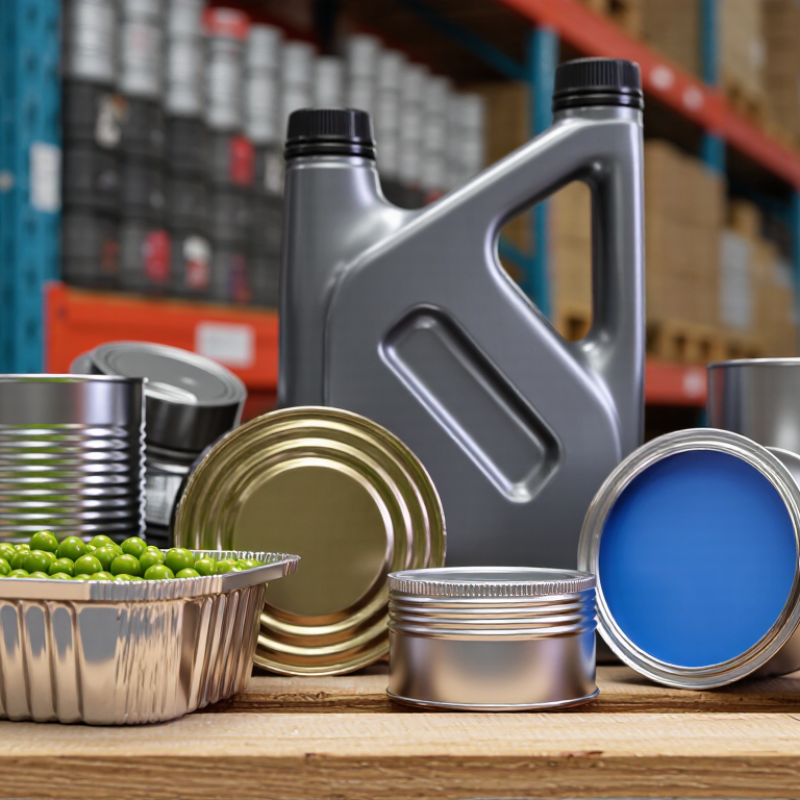
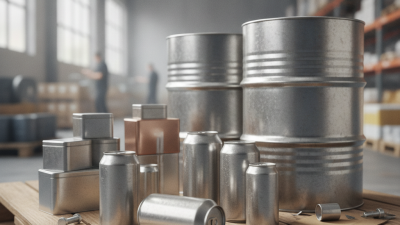
Metal containers are vessels made from steel, aluminum, tinplate, or other durable alloys. They hold, protect, transport, or present materials in homes, factories, laboratories, and food facilities. Their rigid walls resist crushing, while suitable coatings can reduce corrosion and product contact. In practice, container choice depends on the contents, temperature, weight, filling method, and storage period.
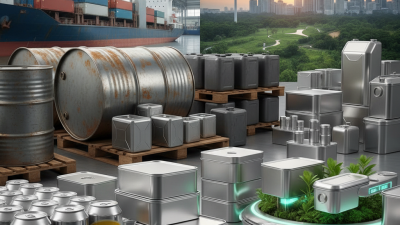
Cans and tins are common for foods, beverages, powders, and household products. Steel drums and pails support industrial storage and shipping, especially for liquids and dry materials. Aluminum bottles and canisters are lightweight and resist many forms of oxidation. Aerosol containers use controlled pressure systems and require careful design, testing, and handling. Small metal boxes protect tools, medical supplies, samples, or delicate components from light and impact.
Metal containers are not automatically safe for every material. Acidic, salty, or highly reactive contents may attack the metal or its lining. That detail is often underestimated. A container should meet relevant food-contact, transport, and pressure requirements for its intended use. Inspect seams, lids, welds, dents, and internal coatings before filling. Reuse also needs judgment; residues can remain in corners, and cleaning may not remove every risk. In practical handling, the best container is rarely the strongest one. It is the one whose material, closure, and dimensions match the job precisely.
What Are Metal Containers Used For?
Key Materials Used in Metal Container Manufacturing
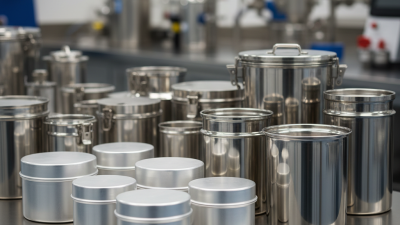
Metal containers protect food, beverages, chemicals, cosmetics, and industrial parts from light, moisture, and impact. Their performance depends heavily on the metal selected. Steel provides strength and reliable stacking support. It suits cans, drums, pails, and storage boxes. Aluminum is lighter and naturally resists corrosion. It is common in beverage cans, tubes, and portable containers. Tinplate, which uses a thin tin coating over steel, offers a useful balance of durability and surface protection.
Manufacturers may add internal coatings to reduce contact between the contents and the metal. These coatings must match the product’s acidity, temperature, and storage time. Seals, lids, and closures also matter. A strong container can still fail through a weak seam. I once underestimated how much a small closure affects leakage risk. Material choices are rarely perfect. Cost, weight, recyclability, and forming quality often compete.
Tips: Check the container’s intended contents before choosing a metal. Compare steel and aluminum by weight, strength, and corrosion resistance. Inspect seams, corners, and coating coverage. Recycled metal can reduce resource use, but its quality still requires careful testing. Ask for clear specifications and suitable performance data. Small details matter.
What Are Metal Containers Used For?
How Metal Containers Are Designed and Produced
Metal containers protect food, beverages, chemicals, medical supplies, and household products. Their strength helps prevent crushing during storage and transport. They also block light, moisture, and air. The right metal depends on the product, weight, temperature, and expected service life.
Designers begin with measurements and handling requirements. Steel often suits rigid containers that need high strength. Aluminum offers lower weight and useful corrosion resistance. Engineers model the wall thickness, lid fit, seams, and pressure tolerance. Small details matter. A sharp edge can damage packaging lines or injure workers. A loose closure can allow leakage or contamination.
Production usually starts with metal sheets or coils. Machines cut and shape them through stamping, drawing, bending, or rolling. Workers then join parts by welding, crimping, or mechanical seaming. Interior coatings may reduce corrosion and prevent contact between the contents and metal. Exterior finishes improve handling and identification. Every batch should receive dimensional checks, leak tests, coating inspections, and strength tests.
Production is never perfectly simple. A container may pass a visual check yet fail under vibration. That is why practical trials remain important. I have seen small changes in seam pressure affect performance. Humidity, temperature, and storage time can also expose weak decisions. Good design records these risks and allows measured improvements. The final container should be safe, durable, recyclable where facilities allow, and suitable for its exact use.
| Container Type | Typical Capacity | Common Metal Materials | Typical Wall Thickness | Common Applications | Key Design Features | Typical Production Processes |
|---|---|---|---|---|---|---|
| Food and Beverage Cans | 100 mL–5 L; many beverage cans are approximately 330–500 mL | Tinplate steel, tin-free steel, or aluminum | Approximately 0.10–0.30 mm, depending on the metal, size, and pressure requirements | Canned vegetables, fruits, meat, seafood, soups, soft drinks, and other shelf-stable products | Hermetically sealed ends, corrosion-resistant internal coatings, shaped bodies, and easy-open or conventional closures | Sheet coating, printing, slitting, forming, deep drawing or body rolling, seaming, coating, filling, and pressure testing |
| Aerosol Cans | 50 mL–1 L; common consumer sizes are approximately 100–750 mL | Aluminum or tinplate steel | Approximately 0.18–0.45 mm, designed to withstand internal pressure | Personal-care products, household cleaners, paints, lubricants, and medical sprays | Pressure-resistant cylindrical body, valve mounting area, crimped valve, actuator, and protective cap | Impact extrusion or deep drawing for aluminum; forming, welding, necking, flanging, coating, and pressure testing for steel |
| Paint and Chemical Pails | 1–25 L; common sizes include approximately 4 L, 10 L, and 20 L | Tinplate steel or galvanized steel | Approximately 0.20–0.50 mm | Architectural paint, coatings, adhesives, sealants, powders, and selected industrial chemicals | Stackable tapered body, friction-fit or lever-lock lid, carrying handle, and interior coating selected for chemical compatibility | Sheet cutting, body forming, seam welding or mechanical seaming, handle attachment, coating, lid production, and leak testing |
| Steel Drums | Approximately 20–220 L; the 208 L nominal drum is widely used | Carbon steel, galvanized steel, or stainless steel | Approximately 0.60–1.50 mm, depending on capacity and handling requirements | Oils, lubricants, solvents, industrial chemicals, powders, and hazardous materials subject to applicable regulations | Rolled and reinforced body rings, open-head or tight-head construction, bung closures, and protective coatings | Sheet forming, longitudinal welding, rolling, seaming, flange forming, closure fitting, internal or external coating, and leak testing |
| Steel Pails and Open-Head Containers | Approximately 5–25 L; 20 L is a common nominal size | Tinplate steel, carbon steel, or stainless steel | Approximately 0.30–0.80 mm | Lubricants, inks, coatings, powders, food ingredients, and construction materials | Removable lid, locking ring or lever closure, reinforced rim, optional handle, and stackable geometry | Stamping or rolling, welding or seaming, rim forming, handle assembly, surface treatment, and closure testing |
| Metal Tubes | 5–250 mL; larger industrial formats are also available | Aluminum or laminated metal-based material | Approximately 0.10–0.40 mm for the metal wall, depending on construction | Toothpaste, ointments, creams, adhesives, artists' colors, and specialty chemicals | Single-use dispensing opening, threaded or snap-on cap, flexible body, tamper-evident seal, and high product evacuation | Impact extrusion or laminate forming, shoulder and nozzle forming, trimming, internal coating, printing, filling, and end sealing |
| Typical industry ranges are shown for comparison. Actual dimensions depend on container capacity, metal grade, forming method, product compatibility, stacking requirements, filling process, and applicable transport or pressure regulations. | ||||||
Common Uses Across Industries and Daily Life
Metal containers protect, store, and transport materials in demanding environments. Their strength helps prevent crushing, punctures, and damage during handling. Steel drums often hold lubricants, coatings, and industrial ingredients. Food producers use stainless steel tanks for milk, oils, sauces, and other liquids. These containers are easier to clean when their surfaces are smooth and properly sealed.
Construction sites rely on metal boxes for tools, fasteners, cables, and spare parts. Their rigid walls provide useful protection against dust, moisture, and accidental impacts. In workshops, small metal tins organize screws, nails, and electrical components. Hospitals and laboratories also use metal trays and canisters for sterilized instruments. Temperature control matters here. Poor storage can reduce safety and product quality.
At home, people use metal containers for lunch, tea, pet food, and household supplies. Airtight lids can preserve freshness and reduce unwanted odors. Reusable containers also limit dependence on disposable packaging. However, not every metal is suitable for every purpose. Acidic foods may react with unsuitable surfaces, while scratches can encourage corrosion. A dent is not always dangerous. Ignoring it is careless. Regular inspection, correct labeling, and dry storage improve reliability. Recycling adds another practical benefit, although mixed materials and damaged coatings can make recovery more difficult.
Metal containers hold food, beverages, chemicals, paints, and industrial components. Their strength protects contents during stacking, transport, and storage. Steel and aluminum also block light, oxygen, and moisture effectively. This helps preserve sensitive products. The International Aluminium Institute reports that recycling aluminum uses about 5% of the energy needed for primary production. Steel also remains highly recyclable without losing its basic material properties. These figures support metal’s circular-use potential, but recycling depends on collection systems and clean separation.
Limitations appear in daily handling. Metal can dent, rust, corrode, or develop sharp edges after impact. Salt, acids, and cleaning chemicals may accelerate corrosion. A container that looks sound may have a weakened seam. Do not rely on appearance alone. Inspect closures, labels, welds, and the interior before use. The U.S. Environmental Protection Agency reported recycling rates of approximately 71% for steel cans and 45% for aluminum beverage cans in its 2018 national dataset. The gap shows that material value does not guarantee recovery.
Safe handling requires practical discipline. Store containers upright on stable, dry surfaces. Keep incompatible materials separated, and follow the supplier’s safety data sheet. Never heat a sealed container. Pressure can rise quickly. Wear cut-resistant gloves when handling damaged metal. Use suitable lifting equipment for heavy units, even when the container seems manageable. In my experience, overconfidence causes more trouble than weight alone. A small dent is easy to dismiss. That judgment can be wrong. Empty containers may still retain vapors or residues, so trained personnel should inspect and clean them under approved procedures.