Top 10 Medicine Container Options for Global Buyers?
Choosing the right medicine container is crucial for global buyers. The best options ensure safety, storage, and easy access. Medicine containers can vary significantly in design, material, and function. Buyers must consider their specific needs before making a decision.
Different regions have unique packaging regulations. Hence, understanding these requirements is essential. A reliable medicine container protects contents from damage and contamination. It's important to balance usability with compliance. This ensures trustworthiness in the supply chain.
Diverse medicine container options offer various benefits. From simple pill bottles to advanced blister packs, choices can be overwhelming. Some containers serve multiple purposes, enhancing convenience. Yet, not all options are perfect. Evaluating their sustainability and practicality can lead to better choices. As buyers navigate these options, reflection on their specific needs is vital for making informed decisions.
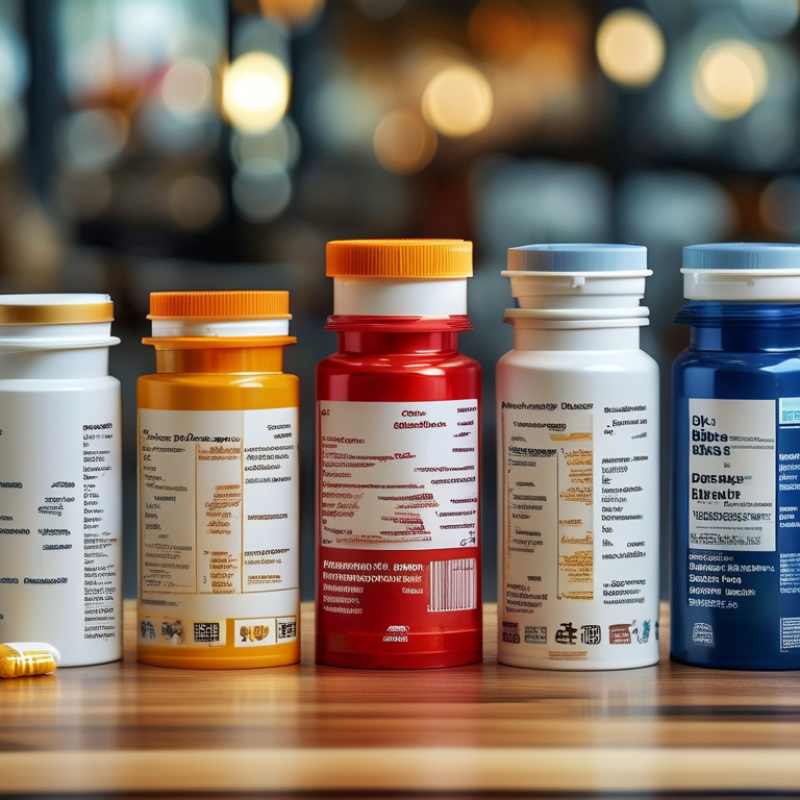
Overview of Medicine Container Types for Global Buyers
When selecting medicine containers, global buyers face various choices. Each type of container serves a distinct purpose. They range from bottles to blister packs, each designed for specific medications. Glass bottles often provide excellent protection against contamination. They are reusable and can offer a long shelf life for liquids.
Plastic containers, on the other hand, are lightweight and versatile. They are less fragile than glass, making them ideal for transportation. Consider child-resistant designs for safety, especially when medications may be accessed by children. Blister packs offer another option, providing individual doses that enhance convenience and track medication use effectively.
While evaluating these options, some challenges can arise. Not all materials offer the same degree of barrier protection. Some plastics may not be suitable for certain medications. Furthermore, not considering environmental impacts can lead to waste. A responsible approach involves rethinking container choices to balance usability and ecological footprint. This thoughtful decision-making can lead to better outcomes in the long run.
Key Features to Consider in Medicine Containers
When choosing medicine containers, safety and functionality are paramount. Adequate protection against contamination is essential, as data indicates that nearly 30% of products fail due to inadequate packaging. Materials must be of high quality, resistant to moisture and chemicals. Glass and certain plastics are popular choices, each with unique benefits and drawbacks.
The container's design plays a crucial role. Tamper-evident seals are vital in ensuring product integrity. Reports show that 40% of consumers prioritize packages that guarantee safety. Child-resistant features are also necessary, especially in households with young children. A recent survey highlighted that 60% of parents seek these features in their medicine containers.
Sustainability is an emerging consideration. As the global market shifts, 25% of buyers express a preference for eco-friendly materials. However, some biodegradable options may not provide the same level of protection. Balancing safety, functionality, and environmental impact remains a challenge for manufacturers. The industry continues to explore avenues to meet these needs effectively.
Top 10 Medicine Container Materials and Their Benefits
When choosing medicine container materials, understanding their benefits is crucial. Glass is a popular option. It is inert and does not react with medications. Glass protects contents from light, preserving potency. However, it can break easily, raising concerns in transportation.
Plastic is lightweight and resistant to breakage. Polyethylene and polypropylene are common choices. They offer flexibility and durability. However, some plastics may interact with certain drugs, causing degradation. It's essential to select the right type for each medicine.
Consider using aluminum for its strength and lightweight nature. Aluminum containers are recyclable, making them an eco-friendly option. Yet, they may not provide the same level of barrier protection as glass or certain plastics. Seek containers that meet safety standards for all medications.
Tips: Always verify the compatibility of the container with the medication inside. Conduct tests when using new materials. Consult with professionals in medicinal packaging for advice on suitable options. Making informed choices can improve medication safety and effectiveness.
Top 10 Medicine Container Materials and Their Benefits
Sustainability Trends in Medicine Packaging Solutions
Sustainability in medicine packaging is becoming increasingly vital. The push for eco-friendly materials and practices is transforming the entire industry. Many manufacturers are now exploring biodegradable options to reduce waste. These materials often break down naturally, lessening their impact on the environment.
Recyclable containers are also gaining traction. They not only minimize landfill waste but encourage users to participate in sustainable practices. However, the infrastructure for recycling varies significantly across regions. This inconsistency poses challenges for global buyers seeking reliable solutions.
Adopting sustainable packaging isn’t just an industry trend; it's a necessity. Consumers are more informed and demand transparency from manufacturers. Finding the right balance between sustainability and functionality can be tough. Some materials may not meet the necessary performance standards. This gap requires ongoing innovation and discussion in the manufacturing processes.
Top 10 Medicine Container Options for Global Buyers
| Container Type |
Material |
Recyclability |
Sustainability Score |
Usage Benefits |
| Glass Vials |
Glass |
Yes |
8/10 |
High barrier, reusable |
| Plastic Blisters |
Polyvinyl Chloride (PVC) |
No |
5/10 |
Cost-effective, lightweight |
| Eco-Friendly Paperboard |
Recycled paper |
Yes |
9/10 |
Biodegradable, lightweight |
| Aluminum Containers |
Aluminum |
Yes |
7/10 |
Lightweight, recyclable |
| Sustainable Polyethylene |
Bio-based PE |
Yes |
8/10 |
Durable, eco-friendly |
| Refillable Pumps |
Plastic or glass |
Yes |
8/10 |
Convenient, reduces waste |
| Child-Resistant Containers |
Plastic |
Yes |
6/10 |
Safety for kids, practical |
| Multi-Dose Dispensers |
Plastic |
Yes |
7/10 |
Convenient, regulated dosage |
| Smart Packaging |
Various (tech integrated) |
Depends on materials |
9/10 |
Monitoring features, user engagement |
| Biodegradable Capsules |
Plant-derived materials |
Yes |
9/10 |
Eco-friendly, safe to consume |
Regulatory Compliance for Global Medicine Shipping Containers
When shipping medicines globally, regulatory compliance is paramount. Each country has specific guidelines for packaging and labeling to ensure safety and efficacy. Failure to adhere to these regulations can lead to delays, fines, or even product recalls. For instance, temperature control plays a crucial role in maintaining drug integrity. Many medications require strict temperature ranges during transit.
Additionally, containers must be clearly labeled with necessary information. This includes expiration dates, dosage instructions, and hazard warnings. Clarity in communication helps prevent misuse or mishaps. It’s vital to stay updated on changing regulations, which can be complex and often confusing. Many shippers find it challenging to keep pace with evolving standards.
In practice, it can be difficult to balance cost-effectiveness with compliance. Sometimes, cheaper materials compromise the container’s safety features. This is a risky decision that could affect patient outcomes. Regular audits and training sessions can help teams navigate these challenges effectively. Overall, investing time in understanding compliance can greatly enhance the reliability of medicine shipping containers.



 +8618680445103