What are Tin Boxes at the 139th Canton Fair?
At the 139th Canton Fair, Tin Boxes are set to capture substantial attention. This event, scheduled from April 15 to May 5, 2026, exhibits a variety of products. During the Fair, Tin Boxes represent a fusion of tradition and modernity. They are often used for packaging gifts, food, and collectibles, showcasing both aesthetic and functional qualities.
Dr. Emily Chen, an expert in packaging solutions, emphasizes, "Tin Boxes blend creativity and utility remarkably.” This highlights their dual role as both decorative and practical items. The industry continues to evolve, with innovative designs emerging annually.
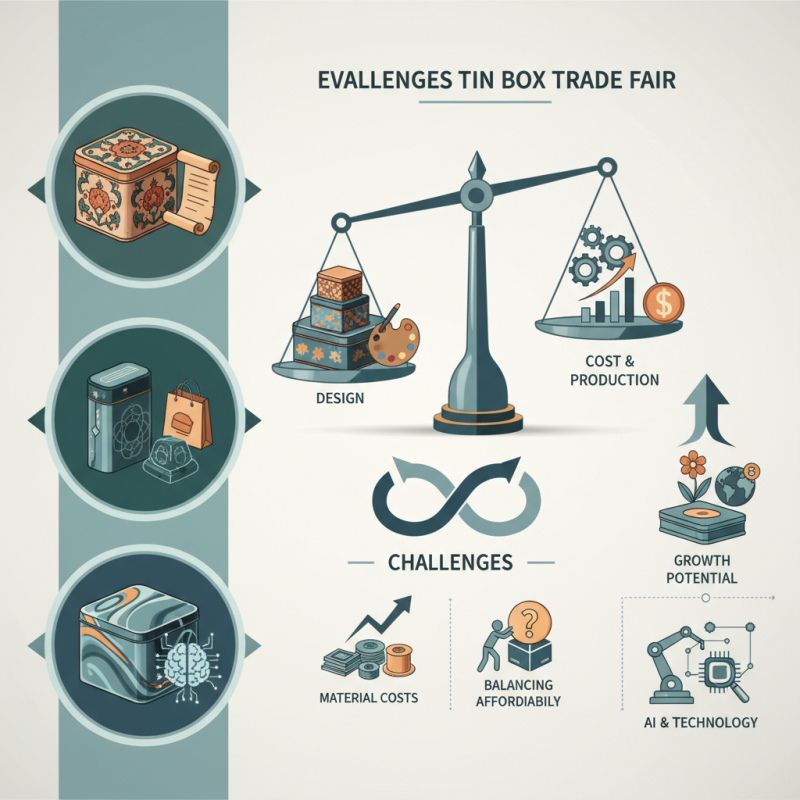
However, challenges remain. The rising costs of materials can strain production. Many companies struggle to balance design with affordability. This dilemma requires careful consideration. Despite these obstacles, the potential for growth in the Tin Boxes market is promising. Engaging with cutting-edge technology, like AI, could enhance operational efficiency. The Canton Fair is an opportunity for businesses to explore these possibilities while confronting industry hurdles.
Definition and Overview of Tin Boxes
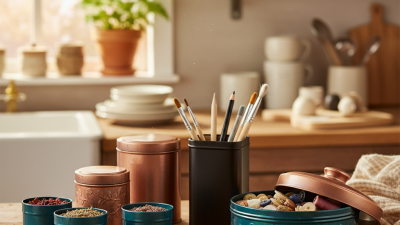
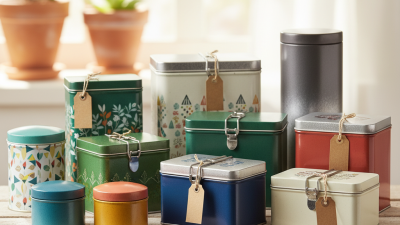
Tin boxes are versatile containers made from thin sheets of metal. They are commonly used for packaging items such as food, gifts, or collectibles. The 139th Canton Fair showcases these unique items, attracting buyers from various industries. The appeal of tin boxes lies in their durability and aesthetic charm. They can be printed with vibrant designs, making them eye-catching and appealing.
Many manufacturers are starting to explore eco-friendly options in their production processes. This shift may show a commitment to sustainability. However, challenges remain in sourcing materials that meet these standards. Some tin boxes lack proper seals, which can lead to product spoilage. These shortcomings highlight the need for quality control during manufacturing.
Customers appreciate unique designs that set their products apart. Creative shapes and sizes can create a memorable brand experience. However, not all companies invest in innovative designs, leading to a saturated market. It’s crucial for businesses to reflect on their offerings. Standing out in a crowded space requires constant innovation and attention to detail.
What are Tin Boxes at the 139th Canton Fair? - Definition and Overview of Tin Boxes
| Type of Tin Box |
Dimensions (cm) |
Capacity (liters) |
Usage |
Materials |
| Rectangular Tin Box |
15 x 10 x 5 |
0.75 |
Gift Packaging |
Tinplate |
| Round Tin Box |
10 x 10 x 5 |
0.5 |
Cookies Storage |
Tinplate |
| Square Tin Box |
12 x 12 x 8 |
1.25 |
Tea Packaging |
Tinplate |
| Customized Tin Box |
Varies |
Varies |
Promotional Items |
Tinplate with Custom Print |
Historical Significance of Tin Boxes in Trade
Tin boxes have played a vital role in global trade for centuries. Historically, they served as
durable packaging for various goods, from spices to textiles. Research shows that the tin packaging
industry is expected to reach $22 billion by 2025.
This growth reflects their importance in preserving product quality and enhancing
brand appeal.
At the 139th Canton Fair, tin boxes are showcased as versatile packaging solutions. Their historical
significance is evident. They are not just containers; they are a medium of promotion and storytelling.
For example, beautifully designed tin boxes attract consumers and enhance the perceived value of the
product inside. Recent surveys indicate that 75% of consumers
prefer products in appealing packaging. Tin boxes can fulfill both functional and aesthetic needs.
Tips: When choosing packaging materials, consider their environmental impact. Can you
opt for recyclable options? Packaging can speak volumes about your brand's values. Strive for
innovation in design while honoring tradition.
Keep in mind the balance between aesthetics and functionality. A flawed design can deter customers,
so continuous improvement is crucial.
Varieties of Tin Boxes Featured at the 139th Canton Fair
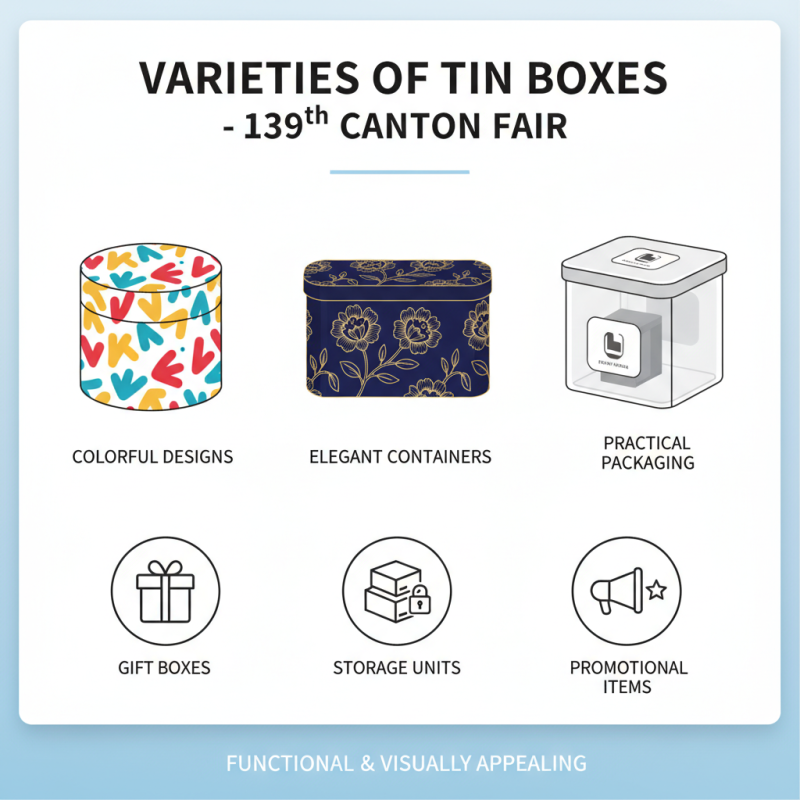
At the 139th Canton Fair, tin boxes showcased a variety of designs and purposes. Visitors could find colorful tins, elegant containers, and practical packaging solutions. These boxes are not only functional but also visually appealing. They serve as gift boxes, storage units, and promotional items.
Among the featured items were vintage-style tins with intricate patterns. Some had a rustic charm, while others boasted modern aesthetics. There was a surprising range of sizes, from tiny keepsake boxes to larger storage options. One could spend hours exploring. However, some designs felt repetitive and lacked originality.
The versatility of tin boxes was evident. They could be used for cookies, tea, or even cosmetics. Despite this, some attendees expressed a desire for more innovation. The materials used in production showed room for improvement. Overall, the tin box displays were impressive but left a lingering question about future creativity.
Innovation and Design Trends in Tin Box Manufacturing
At the 139th Canton Fair, tin boxes captured much attention. These containers are not just practical; they also reflect current trends in design and innovation. Manufacturers are shifting towards eco-friendly materials, focusing on sustainability in production. Designers experiment with unique shapes and sizes, ensuring that each tin box stands out.
Color and graphics play a crucial role in this evolution. Bright, bold colors attract consumers. Traditional designs are blended with modern aesthetics, resulting in an intriguing juxtaposition. However, the challenge lies in balancing creativity with functionality. Some designs may look great but fail in usability. Practicality should never be overlooked in the pursuit of innovation.
As producers explore new trends, they must also reflect on their methods. Are they truly meeting the needs of consumers? The pressure to innovate can lead to overlooking essential aspects of production. Embracing new technology can enhance processes, but reliance on it may diminish craftsmanship. The journey of tin box manufacturing is about more than just trends; it's a continuous cycle of learning and improvement.
Market Demand and Future Prospects for Tin Boxes
The market for tin boxes is expanding steadily. According to recent industry reports, the global tin box market is projected to grow at a CAGR of 5.2% from 2023 to 2030. This growth is driven by rising demand in various sectors, such as food packaging, cosmetics, and gift items. The aesthetic appeal of tin boxes attracts consumers who appreciate vintage or eco-friendly packaging.
Prospects for tin boxes are bright. Businesses are increasingly recognizing the benefits of sustainable packaging. This shift is crucial as consumers become more environmentally conscious. The versatility of tin allows for creativity in design and function. Manufacturers report a 15% increase in custom tin designs over the past year, indicating a strong trend toward personalized packaging solutions.
Tip: Consider investing in custom designs to differentiate your products. Unique packaging can boost brand visibility. However, keep production costs in check to maintain profitability. Remember, trends may change; consistently reassess your market strategies.



 +8618680445103