How to Source Metal Cans for Your Packaging Needs?
Finding the right metal can for your packaging needs can be challenging. Metal cans are versatile and durable. They are often preferred for food, beverages, and other products. Sourcing them requires understanding different materials, sizes, and suppliers.
Consider your specific requirements. Do you need aluminum or steel cans? Each has unique benefits and applications. Research local suppliers and manufacturers to discover what they offer. Building a relationship with a reliable partner can streamline the sourcing process. Look for those with a consistent track record.
Be open to evaluating multiple sources. Prices and quality can vary significantly. Some suppliers may not meet your expectations. Reflect on previous experiences to avoid this. Engaging with industry experts can also provide valuable insights. They can recommend trusted sources and guide you through the selection process.
Understanding the Types of Metal Cans Available for Packaging
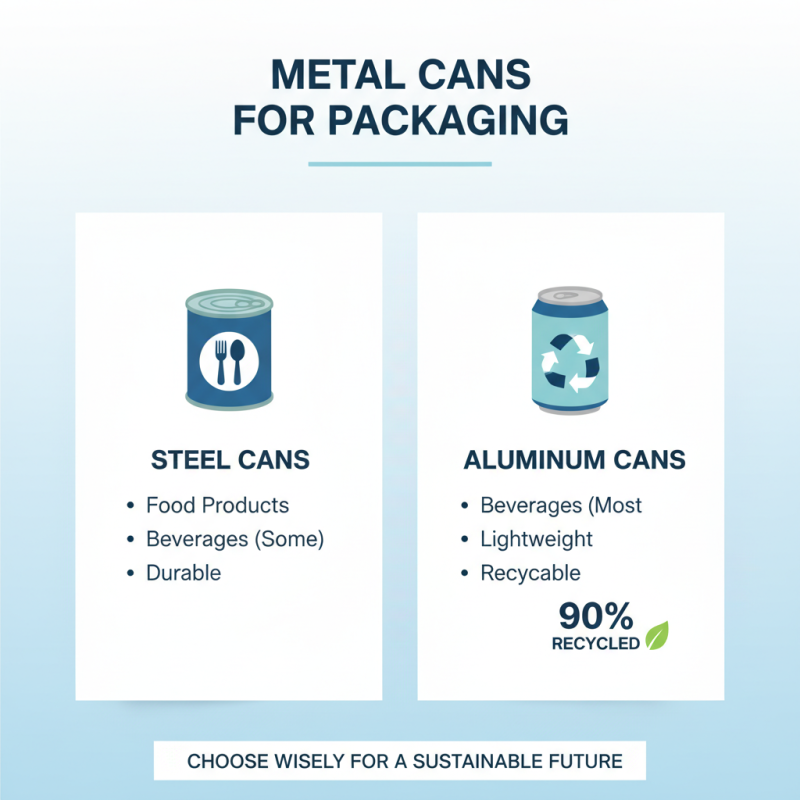
When it comes to metal cans for packaging, understanding the types available is crucial. Metal cans are primarily divided into two categories: steel and aluminum. Steel cans are often used for food products and beverages. Aluminum cans are lightweight and recyclable, making them popular in the beverage industry. According to the Metal Container Industry, approximately 90% of aluminum cans are recycled. This statistic highlights the sustainability aspect of aluminum cans, appealing to environmentally conscious brands.
Choosing the right can depends on various factors, including the product, shelf life, and target market. For example, food items with a long shelf life might benefit from steel cans. However, products aimed at younger consumers might opt for aluminum cans for their aesthetic appeal.
Tips: Always analyze your product's needs. Consider the durability, weight, and shelf-friendly features of each option. Engage with suppliers to test sample cans before making a bulk purchase. This step can reveal quality and compatibility issues early in the process. This journey can expose new challenges, prompting reflection on your product packaging strategy. Test various types to find the best match for your needs. Each material has unique benefits and drawbacks that might change with market trends.
Identifying Reliable Suppliers for Metal Cans
Finding reliable suppliers for metal cans can be challenging. Start by conducting thorough research on potential suppliers. Look for companies that have a solid reputation in the industry. One way to gauge reliability is through online reviews and testimonials. Positive feedback from previous customers can be a good indicator of quality and service.
Contact suppliers directly to ask questions. Inquire about their manufacturing processes. Understanding their sourcing methods can shed light on product quality. Pay attention to their communication style; responsiveness matters. Consider requesting samples to evaluate their products firsthand. This step is crucial to ensure that the cans meet your specific needs.
Analyze the sustainability practices of potential partners. Many businesses prioritize eco-friendly materials and processes. Ensure that the suppliers comply with industry standards. It reflects their commitment to quality and reliability. Keep in mind that not all suppliers will meet your expectations. It's essential to reflect on your experiences and adjust your approach as needed. Building a solid supply chain requires patience and diligence.
Evaluating the Quality and Specifications of Metal Cans
When sourcing metal cans, evaluating their quality and specifications is crucial.
Begin by assessing the material used in the can's production.
High-quality cans often use aluminum or tin-plated steel.
Both materials provide a sturdy structure, protecting the contents inside.
Check the thickness of the metal; it affects durability and shelf life.
Consider the can's internal coating. This layer prevents chemical interactions
between the can and its contents. It is vital for food safety and flavor preservation.
Look for compliant coatings that meet industry standards.
Pay attention to the can's dimensions as well. Ensure they fit your packaging needs while still maintaining an appealing design.
Testing the cans is an essential step.
Perform a pressure test to gauge their resistance to internal pressure.
Inspect for leaks and evaluate their sealing method. These factors can make or break your success.
Keep in mind, small imperfections may occur during manufacturing.
Reflecting on these aspects will help refine your selection process for metal cans.
Negotiating Pricing and Terms with Metal Can Manufacturers
When negotiating pricing and terms with metal can manufacturers, clarity is crucial. Start by gathering detailed quotes from multiple suppliers. This helps you understand the market rates and gauge reasonable pricing. Be prepared to discuss minimum order quantities and lead times. Each manufacturer has different capabilities, which can affect your final cost.
Tips: Always inquire about bulk discounts. Many manufacturers lower prices for larger orders. This can significantly reduce your overall expenses. Additionally, ask about payment terms upfront. Knowing when payments are due can help manage cash flow effectively.
A successful negotiation requires active listening. Pay attention to the manufacturers' responses and be open to their terms. Sometimes, unexpected offers can arise. It’s also important to maintain a good relationship. Trust and communication can lead to better deals in the long run. Avoid rushing the process; take time to reflect on the terms before making commitments.
Metal Can Sourcing Trends
This bar chart illustrates the average price per metal can over the past four years. As seen, the prices have gradually increased, highlighting the trend in metal can sourcing and the importance of negotiating pricing and terms with manufacturers.
Ensuring Compliance with Packaging Regulations and Standards
When sourcing metal cans for packaging, compliance with regulations is critical. It's not just about choosing the right material; it’s about understanding local and international standards. These regulations ensure safety and environmental responsibility. Failure to comply can lead to serious consequences, including recalls and fines.
Review all relevant guidelines from packaging authorities. These can include food safety regulations and recycling standards. Take note of requirements specific to your industry. For instance, the food and beverage sector has strict criteria for packaging materials. Understanding these details can greatly reduce risks.
Involving experts can help navigate this complex landscape. Consulting with compliance specialists can provide valuable insights. They can help you identify potential pitfalls. Regular audits should also be conducted to ensure ongoing compliance. Reflect on your sourcing process regularly. Keeping up with changes in legislation is essential for staying compliant and competitive.
How to Source Metal Cans for Your Packaging Needs? - Ensuring Compliance with Packaging Regulations and Standards
| Material Type |
Size (ml) |
Weight (g) |
Recyclability |
Standard Compliance |
| Aluminum |
330 |
15 |
Yes |
ISO 14021 |
| Steel |
500 |
20 |
Yes |
ANSI/ASTM |
| Aluminum |
250 |
12 |
Yes |
EU Packaging Directive |
| Steel |
1000 |
25 |
Yes |
FDA Standards |



 +8618680445103