How to Source Empty Cans for Your Business Needs?
Sourcing empty cans for your business can be challenging yet rewarding. Empty cans serve various purposes, from packaging to crafting. The demand for these containers is rising as sustainability becomes a priority. Finding reliable sources for empty cans requires creativity and resourcefulness.
Consider local beverage producers. They often have excess cans available. Establishing a partnership can lead to a steady supply. Additionally, recycling centers are treasure troves. They collect cans from various sources and may sell them at low prices. Remember to evaluate the condition and suitability for your needs.
Online platforms offer another avenue. Websites dedicated to wholesale supplies might list empty cans. Assess the seller’s reputation through reviews and ratings. As you explore these options, think critically about the potential risks involved. The quest for empty cans can be complex, but with persistence, you can supply your business needs effectively.
Understanding the Importance of Empty Cans in Your Business
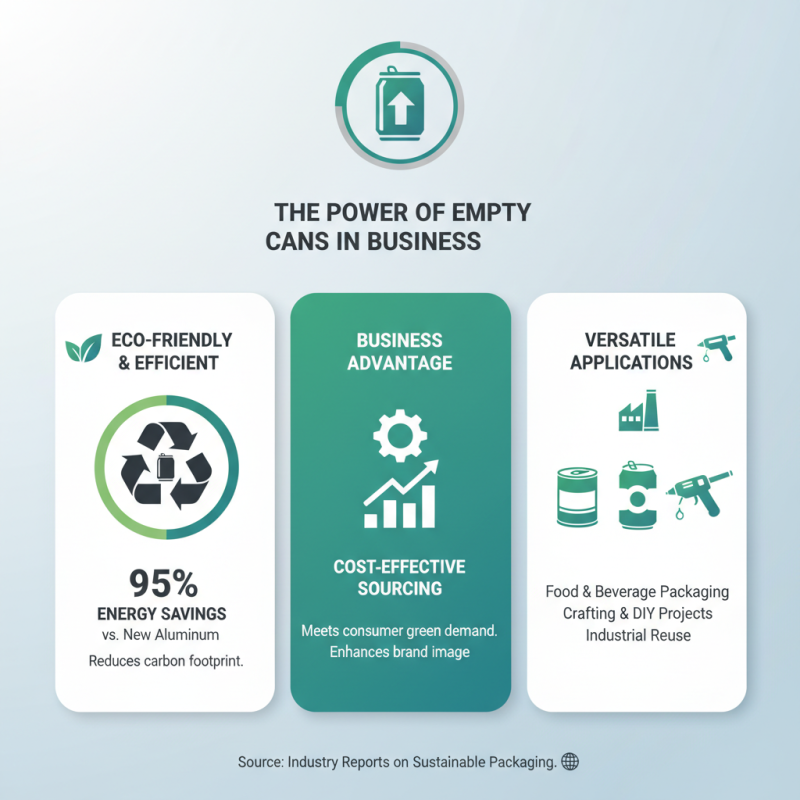
Empty cans play a crucial role in various industries, from food and beverage to crafting. Their importance cannot be overstated. According to industry reports, recycled aluminum cans save 95% of the energy required to produce new aluminum. This energy efficiency highlights the value of sourcing empty cans for reuse. Moreover, businesses can leverage this eco-friendly approach to enhance their sustainability efforts and meet consumer demand for greener practices.
Incorporating empty cans into your operations can also drive cost savings. A report from the Recycling Partnership states that businesses can reduce overhead by utilizing recycled materials. However, some challenges exist. Quality control is vital; not all empty cans may meet the necessary standards. Checking for contaminants is essential to maintain product integrity.
Tips for sourcing empty cans include establishing partnerships with local recycling centers. These centers often have surplus materials. Additionally, consider joining networks focused on sustainability. Engaging with these organizations provides valuable connections. Remember to assess the condition of the cans before use. Quality should never be compromised for cost. By approaching this sourcing thoughtfully, businesses can thrive while supporting the environment.
Identifying Suitable Sources for Empty Cans
When sourcing empty cans, it's crucial to identify suitable suppliers. Start by investigating local recycling centers.
Many recycling facilities accept cans from various sources.
They can provide you with bulk options at competitive prices. According to a 2023 industry report from the Recycling Partnership, over 50% of materials are available through local recycling initiatives.
Another potential source lies in beverage manufacturers. Some offer empty can sales or surplus inventory. These companies may have seasonal or overstock items.
However, it’s vital to establish a reliable connection with these manufacturers.
This requires a good understanding of their operations and inventory cycles. Establishing relationships can take time but can yield fruitful outcomes.
Online platforms also present viable options for sourcing empty cans. Websites that specialize in packaging materials often have various listings.
Some vendors may even offer direct shipping.
However, ensure to check customer reviews and ratings before moving forward.
Reliability may vary significantly among suppliers, so due diligence is essential. Ultimately, a mix of local resources, direct manufacturer contacts, and online sales can help meet your needs effectively.
Evaluating Local vs. Online Options for Sourcing
When sourcing empty cans for your business, consider local versus online options carefully. Local suppliers often provide immediate access to inventory. This can be beneficial if your project requires urgent delivery. According to the National Association of Manufacturers, about 70% of distributors have reliable stock locally. However, their prices may vary significantly based on demand and availability.
Online sourcing may present distinct advantages. Websites can give access to a broader range of products. A report from Statista highlights that over 60% of small businesses conduct purchases online. Online platforms often feature competitive prices due to reduced overhead costs. However, it can be tricky. Shipping delays can impact production timelines. Other issues include quality assurance and potential hidden fees.
Evaluating both options requires practical analysis. Local suppliers can foster relationships, leading to better service and support. Online sourcing can provide flexibility. There’s a need to weigh these pros and cons to ensure effective sourcing for your business. Make sure to conduct thorough research on both avenues before making your choice.
How to Source Empty Cans for Your Business Needs?
This bar chart illustrates various sourcing options for empty cans, showcasing the quantity availability from local suppliers, online retailers, recycling centers, and wholesale distributors. Each option presents unique opportunities for businesses in need of empty cans.
Establishing Relationships with Suppliers and Manufacturers
Establishing strong relationships with suppliers and manufacturers is crucial. It creates opportunities for better pricing and reliable delivery. Finding empty cans for your business is not just about costs. It’s also about trust and communication.
Start by reaching out to local suppliers. Attend industry trade shows or engage in community networking events. Building rapport with suppliers can lead to personalized service. This is especially valuable during peak seasons when demand spikes. Share your needs clearly. Discuss the specifications and quantities you require. Regular updates can help maintain this relationship.
Don't overlook smaller manufacturers. They often offer flexibility and can respond quickly to orders. However, it’s important to evaluate their credibility. Request samples and check production timelines. Trust your instincts if something feels off. Keep in mind that relationships take time to nurture. Be patient and persistent in your outreach efforts. Each conversation can improve your knowledge and perspective.
Ensuring Quality and Compliance in Acquired Cans
When sourcing empty cans for business, quality and compliance are key. Many companies overlook the importance of sourcing from reputable suppliers. According to a 2022 report by the Packaging Machinery Manufacturers Institute, 75% of businesses face compliance issues related to packaging materials. This is often due to choosing low-cost suppliers without verifying their quality standards.
It's essential to evaluate suppliers based on their certifications. ISO 9001 certification indicates a solid quality management system. Additionally, technical compliance with industry standards ensures safety and reliability. A 2023 Global Packaging Report noted that 68% of reputable suppliers maintain high compliance rates, compared to just 45% among lower-tier vendors. This disparity can impact your product’s reputation and safety.
Furthermore, consider the environmental implications of your choices. A focus on sustainability can lead to better consumer perception. Yet, not all suppliers are transparent about their environmental practices. Scouring supplier documents and certifications can help, but much is left to trust. Without diligence, businesses may inadvertently support unsustainable practices, harming both brand integrity and environmental compliance.
How to Source Empty Cans for Your Business Needs? - Ensuring Quality and Compliance in Acquired Cans
| Dimension |
Description |
Compliance Standards |
Sourcing Options |
| Material Type |
Aluminum, Steel |
FDA, EPA Regulations |
Local Suppliers, Online Marketplaces |
| Size |
12 oz, 16 oz |
ANSI Standards |
Manufacturers, Distributors |
| Coating |
BPA-Free, Non-Toxic |
ISO 9001 |
Recycling Centers, Direct from Producers |
| Quantity |
1000, 5000, Bulk Orders |
Trade Standards |
Wholesale Vendors, Liquidation Sales |
| Delivery Time |
1 week, 3 weeks |
Delivery Compliance |
Local Couriers, Freight Services |



 +8618680445103