What is a Metal Container and How is it Used?
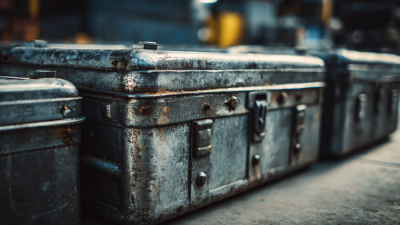
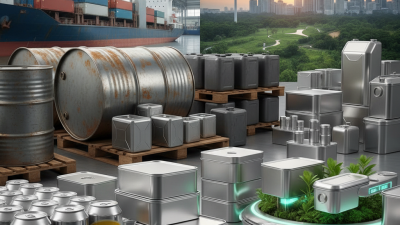
Metal containers have become indispensable in various industries. They offer durability, strength, and excellent protection for products. According to Dr. Emily Adams, a leading expert in packaging solutions, “Metal containers are not just functional; they also enhance sustainability.” This highlights the essential role that metal containers play in modern packaging.
In recent years, the demand for metal containers has surged. They are commonly used for food storage, beverages, and personal care products. The recycling potential of metal is practically limitless, which appeals to environmentally conscious consumers. However, challenges remain. The production process can be resource-intensive, raising questions about environmental impact.
Despite their advantages, metal containers can also present issues. For example, not all metal types are recyclable. Furthermore, the cost of production can be higher compared to plastic alternatives. These factors prompt ongoing discussions about the balance between efficiency and sustainability in the metal containers industry. As we delve deeper, it is crucial to consider both the benefits and drawbacks of metal containers in today's market.
What Defines a Metal Container in Industrial Applications?
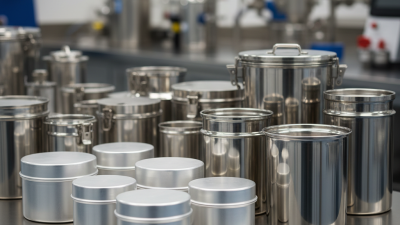
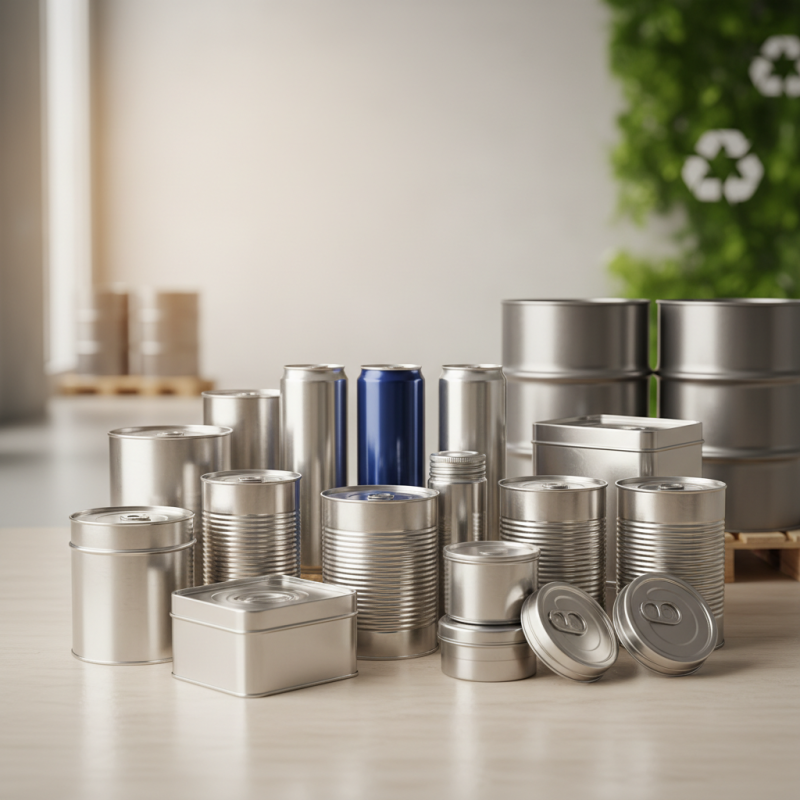
In industrial applications, metal containers play a vital role. They are heavily utilized for storage, transportation, and protection of various materials. These containers often come in different forms, such as barrels, cans, and drums, tailored to specific industrial needs. Their robustness allows them to withstand harsh environmental conditions, making them a reliable choice for many industries.
What truly defines a metal container is its construction. Typically made from stainless steel, aluminum, or carbon steel, these materials offer strength and durability. They can be designed to be airtight, which is crucial for preserving the integrity of sensitive contents. However, not all metal containers excel in every scenario. Some may corrode over time, especially when exposed to corrosive substances. This raises questions about material selection for specific applications.
Additionally, while metal containers can be reusable, they require proper maintenance. The cleaning process can be labor-intensive. Many users overlook the importance of regular inspections. Neglecting these tasks can lead to mechanical failures, which can be costly. Thus, while metal containers are essential, their effective use demands attention and care.
Types of Metal Containers: Materials and Manufacturing Processes
Metal containers are crucial in various industries. They come in different forms, optimized for specific uses. Common materials include steel, aluminum, and tin. Each offers unique properties, such as strength and resistance to corrosion. According to a report by Allied Market Research, the metal container market is projected to reach $157 billion by 2025. This data indicates a rising demand for sustainable packaging solutions.
Manufacturing processes for metal containers involve several techniques. Common methods include stamping, drawing, and welding. Stamping creates the base shape, while drawing forms the final contour. Depending on the container, these processes can be energy-intensive and may result in waste material. A study by the Environmental Protection Agency found that nearly 25% of the metal used in production can end up as scrap. This statistic raises questions about efficiency and sustainability in production.
Furthermore, the recycling of metal containers plays a significant role in the industry. Over 75% of metals can be recycled without losing quality. However, many containers end up in landfills. This signifies a need for better recycling practices. More education is essential for fostering a culture of recycling. The focus should be on reducing environmental impacts, not just on production.
Global Market Trends: Metal Container Consumption Statistics
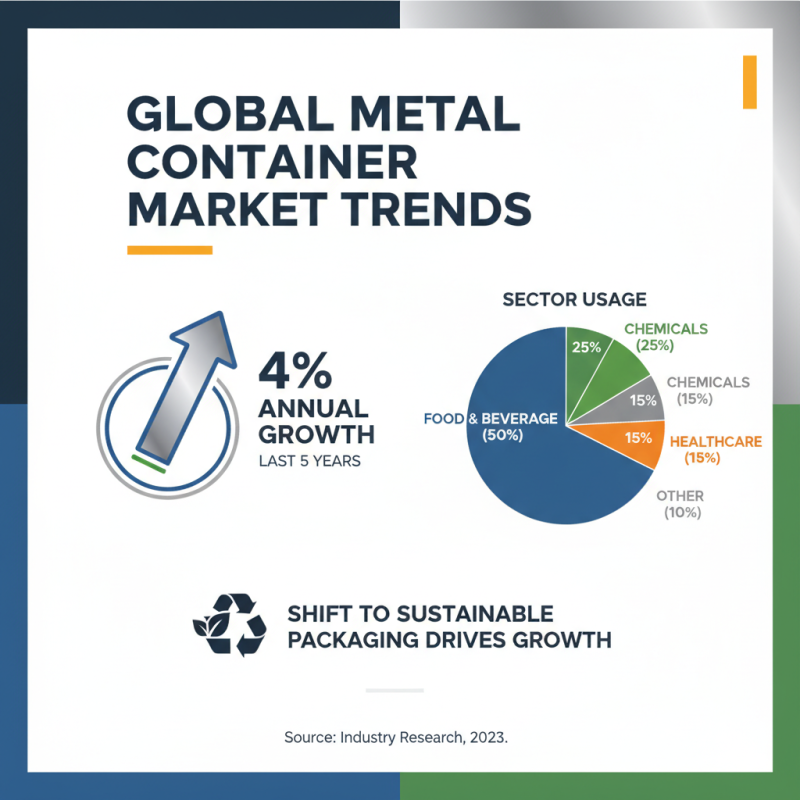
The global metal container market is experiencing dynamic changes. Research indicates that metal container consumption has surged by approximately 4% annually over the past five years. This growth is driven by increased demand across various industries, including food and beverage, chemicals, and healthcare. In particular, the food and beverage sector accounts for nearly 50% of total metal container usage. One key factor contributing to this trend is the increasing shift toward sustainable packaging.
Metal containers are favored for their durability, recyclability, and safety. These qualities ensure product integrity while appealing to environmentally conscious consumers. Notably, statistics reveal that recycling rates for metal containers are around 75%, significantly higher than plastic. However, the industry faces challenges. The rising cost of raw materials, particularly aluminum, can impact profit margins and pricing strategies.
Tips: Consider exploring alternative materials if costs rise. Staying updated on recycling regulations is essential. Think about investing in innovations that improve efficiency and sustainability.
Overall, the metal container industry must adapt to changing market dynamics. The increasing importance of sustainable practices will shape future consumption patterns. While there’s significant growth potential, businesses need to remain agile and responsive.
Environmental Impact: Recycling and Sustainability of Metal Containers
Metal containers are ubiquitous in our daily lives. These containers serve various functions, from packaging food and beverages to storing industrial materials. However, their environmental impact is significant. The production and disposal of metal containers require considerable energy and resources, leading to pollution and waste.
Recycling metal containers can mitigate these effects. Metals like aluminum and steel can be recycled multiple times without losing quality. Each time a metal container is recycled, energy savings are substantial. In fact, recycling aluminum saves up to 95% of the energy required to produce new aluminum.
Tips: Always rinse out your metal containers before recycling. This prevents contamination and ensures more efficient processing. Additionally, check local recycling guidelines. Not all metal containers are accepted everywhere. Taking care of these small details can lead to better sustainability practices in everyday life. Embracing the recycling process means making a choice for a healthier planet, but it also requires personal accountability and awareness of how we dispose of materials.
Environmental Impact of Metal Containers
This bar chart illustrates the environmental impact of metal containers in terms of their disposal methods. A significant 75% of metal containers are recycled, which highlights the potential for sustainability in metal use. Only a small percentage ends up landfilled or incinerated, with the remainder contributing to new products.
Applications of Metal Containers in Various Industries: Food, Chemicals, and More
Metal containers are essential across various industries. In the food sector, they are used for packaging canned goods, beverages, and ready-to-eat meals. Their durability helps preserve food freshness. However, certain materials may react with acidic foods. Always check compatibility before use.
In the chemical industry, metal containers store hazardous substances safely. They withstand high pressure and temperature, reducing the risk of leaks. A drawback is the potential for corrosion. Proper lining and coatings are vital. Regular inspections can help prevent failures.
**Tips:** Choose the right material based on your needs. Stainless steel or aluminum can be great options. Ensure containers are sealed tightly to maintain quality. Don’t overlook the importance of labeling. It prevents accidents and ensures safe handling.
Applications of Metal Containers in Various Industries
| Industry |
Metal Container Type |
Primary Use |
Material |
Environmental Impact |
| Food Industry |
Tin Can |
Preserving fruits and vegetables |
Tin-plated steel |
Recyclable, reduces food waste |
| Chemical Industry |
Drum |
Transporting hazardous materials |
Carbon steel |
Risk of leakage, must be disposed of properly |
| Beverage Industry |
Aluminum Can |
Packaging soft drinks and beer |
Aluminum |
Highly recyclable, low carbon footprint |
| Pharmaceutical Industry |
Aerosol Can |
Administering medications |
Steel or aluminum |
Potential environmental hazards if not recycled |
| Construction |
Metal Containers |
Storing materials and tools |
Steel |
Recyclable, durable for long-term use |



 +8618680445103