Why Choose the Right Medicine Container for Safe Storage?
Choosing the right medicine container is crucial for safe storage. According to Dr. John Smith, a leading expert in pharmaceutical storage, “Improper storage can lead to medication degradation.” This highlights the importance of selecting suitable containers.
The right medicine container protects medications from moisture, light, and contamination. For example, opaque containers shield light-sensitive drugs. Think about how many people mishandle their prescriptions. Many use random jars or old bottles. This can risk the effectiveness of medicines.
Some may overlook safety features like child-resistant caps. These details make a real difference. It’s easy to underestimate the significance of storage. Yet, understanding how to store medications safely can prevent health risks. Selecting appropriate medicine containers is not just about convenience; it's a fundamental step in ensuring medication integrity.
Importance of Choosing the Right Medicine Container for Safety
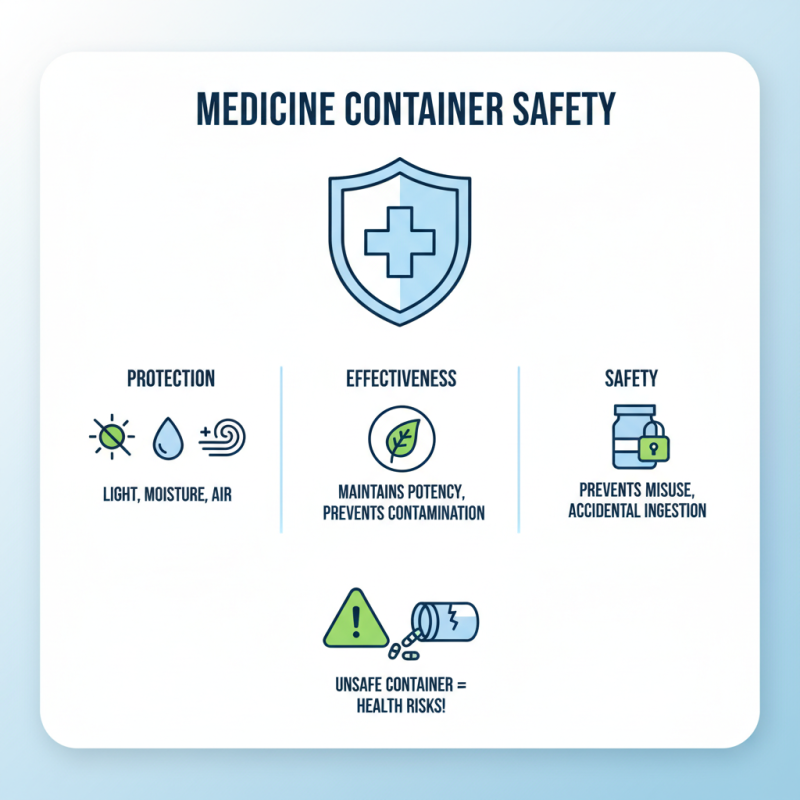
Choosing the right medicine container is essential for safety. The container protects the medicine from light, moisture, and air. A proper container ensures effectiveness and prevents contamination. An unsafe container could lead to misuse or accidental ingestion. This could have serious consequences for health.
When selecting a container, consider the material. Glass and sturdy plastic options are often best. Avoid flimsy or damaged containers. They might not seal properly, allowing air and moisture in. Make sure to choose one that is child-proof if children are around.
Here are some tips for safe storage:
- Label the container clearly. Include medication name and dosage information.
- Store medicines in a cool, dry place. Humidity can degrade the quality.
- Keep containers out of direct sunlight. Light can alter the medication’s potency.
Reflect on how often you check your medicine storage. Regularly inspect for damages or expiration dates. These small steps can significantly enhance safety and efficacy.
Types of Medicine Containers and Their Specific Uses
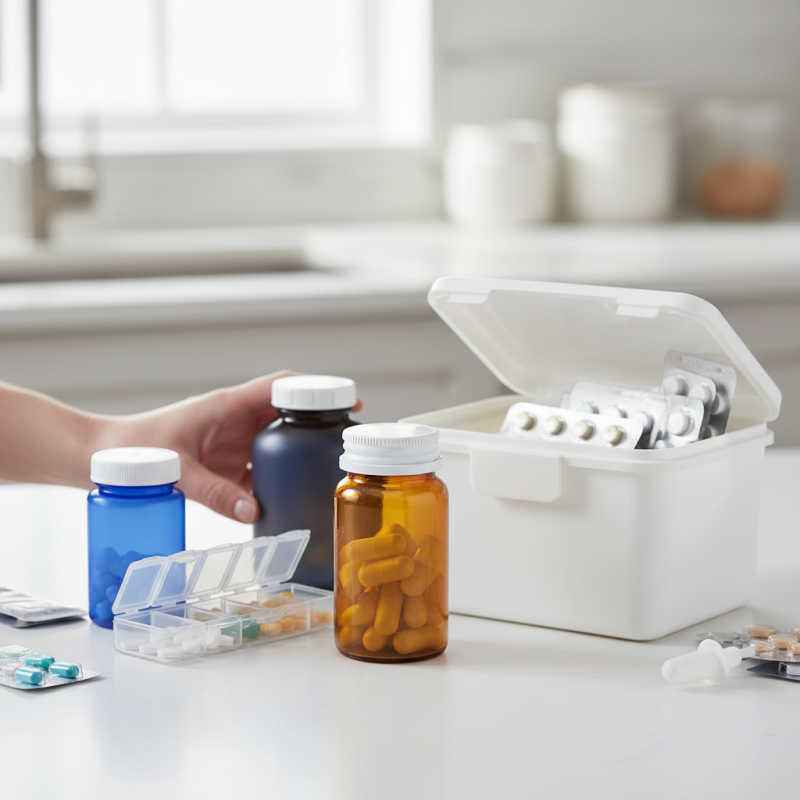
When it comes to medicine storage, choosing the right container is crucial. Various types of containers serve different purposes. Pill bottles, blister packs, and liquid containers all have unique features tailored for specific medications. Research indicates that nearly 30% of medication errors occur due to improper storage. Using designated containers can significantly reduce these errors.
Pill bottles are often designed with childproof caps. They help to keep medications safe and secure. However, some users may struggle with opening them. Blister packs are another option. They allow for easy access and help track daily doses. Interestingly, studies show that blister packaging can improve adherence rates by 60%. For liquid medications, it is essential to choose a container that is dark-colored. This prevents light from degrading the medicine. A significant number of people overlook this detail.
Furthermore, not all containers provide airtight seals. Poor sealing can lead to moisture buildup. Moisture can compromise medication effectiveness. It's essential to regularly check the condition of these containers. Users should be aware of expiration dates. This attention to detail can drastically impact health outcomes.
Impact of Material on Medication Efficacy and Shelf Life
The choice of material for medicine containers significantly influences medication efficacy and shelf life. Recent studies indicate that certain plastics can leach chemicals over time, affecting the active ingredients in medications. For instance, polyvinyl chloride (PVC) is known to degrade, releasing harmful compounds into the stored medicine. According to a report by the Pharmaceutical Packaging Association, using high-density polyethylene (HDPE) and glass containers can extend the shelf life by up to 30%.
Tips: Always opt for materials that have a proven track record in pharmaceutical applications. Knowledge is crucial for healthcare providers and patients alike.
The impact of storage conditions is also noteworthy. Light can degrade sensitive drugs, leading to reduced effectiveness. A study found that exposure to light can decrease the potency of certain medications by 10% within six months. Thus, it's essential to store medications in opaque, airtight containers to minimize exposure.
Tips: Use a cool, dry location for storage. Regularly check expiration dates and container integrity. These small actions can safeguard your health and the medications you rely on.
Regulatory Standards for Medicine Container Safety and Compliance
Choosing the right medicine container is crucial for safety. Regulatory standards ensure these containers protect medications from contamination and degradation. Many facilities must comply with guidelines like those from health authorities. These regulations include material specifications and labeling requirements. The materials used should be non-reactive and safe for medicines.
Yet, not all containers meet these standards. Some might look good but fail in performance. For example, improper sealing can lead to exposure to air and moisture. This can degrade the medication inside. It's vital to check labels for compliance marks. Containers without these marks can pose health risks.
Proper storage is as important as the medicine itself. Each environment has unique challenges. Temperature fluctuations often affect container integrity. Reflection on chosen containers can help identify flaws. Safe storage starts with the right choices. Ultimately, awareness of regulations drives better practices in medicine storage.
Why Choose the Right Medicine Container for Safe Storage? - Regulatory Standards for Medicine Container Safety and Compliance
| Container Type |
Material |
Compliance Standard |
Child-Resistant Feature |
Recommended Use |
| Plastic Bottles |
Polyethylene |
FDA 21 CFR 211.133 |
Yes |
Oral Medications |
| Glass Vials |
Borosilicate Glass |
ISO 15378 |
No |
Injectable Medications |
| Blister Packs |
PVC/Aluminum |
USP
Packaging Standards |
Yes |
Tablets and Capsules |
| Syringes |
Polypropylene |
ISO 13485 |
No |
Injectable Medications |
| Pill Boxes |
Acrylic |
ASTM D6400 |
Yes |
Daily Medication Management |



 +8618680445103