How to Choose the Best Metal Tins for Packaging Your Products?
When it comes to product packaging, Metal Tins offer a unique blend of functionality and aesthetics. Choosing the right type can greatly influence consumer perception. The right tin can elevate a brand, while the wrong choice may lead to missed opportunities.
Metal Tins are durable and recyclable, which is appealing to eco-conscious consumers. They come in various sizes and finishes, providing versatility for different products. However, not every tin is suitable for every product. Considerations like product visibility, accessibility, and sealing methods are crucial. It's essential to explore how these factors affect user experience.
Despite their advantages, there are challenges. Sourcing quality Metal Tins can be complex and time-consuming. There may also be options that seem cost-effective but compromise quality. Businesses must reflect on their specific needs. What works for one product may not be ideal for another. Hence, investing time in research is vital for making an informed decision.
Consider Your Product Type and Size When Selecting Metal Tins
When selecting metal tins for packaging, your product type and size are crucial. Consider whether your product is solid, liquid, or powdered. Each variety needs different tin features to ensure protection and usability. For instance, food items often require airtight seals for freshness. The metal thickness may also vary based on product weight. Research indicates that optimal tin thickness can enhance durability by up to 30%.
Choosing the right size is equally important. A tin that is too large may allow contents to shift or spoil if not used quickly. Conversely, a tin that is too small might lead to damage during packing or shipping. A recent survey found that 65% of customers prefer products that align perfectly with the tin size, indicating that attention to detail in packaging can elevate customer satisfaction.
Tips: Always evaluate your product dimensions before choosing a tin. Measure the height, diameter, and volume. Using standardized sizes can simplify your sourcing process. Additionally, consider incorporating design elements that reflect your brand’s identity. This practice enhances perceived value and encourages repeat purchases. Always keep testing and adjusting your choices based on customer feedback and market trends.
Evaluate Different Shapes and Designs for Functional Packaging
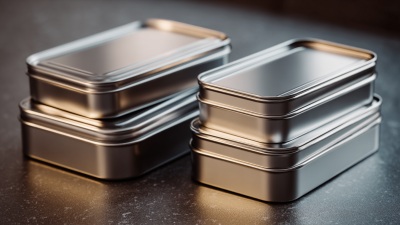
When selecting metal tins for packaging, the shape and design are crucial factors. Different shapes serve various functional purposes. Round tins are often popular for their classic appearance. They are easy to stack and store. Conversely, square or rectangular tins maximize space efficiently. Consider the dimensions that complement your product's volume.
Design elements also play a significant role in functionality. Tins with tight-sealing lids are vital for preserving freshness. A shallow tin may be less practical for deep products. Bright colors or unique patterns might catch the eye but can impact perceived value. Design must align with your brand identity while ensuring practicality.
Reflecting on your choices may reveal areas for improvement. Do you prioritize aesthetics over functionality? A beautiful tin holds little value if it doesn't protect the product. Conversely, a perfectly functional tin may lack appeal. Striking a balance is essential for effective packaging. Regularly assessing these aspects ensures your packaging remains relevant and effective.
Comparison of Different Metal Tin Shapes for Packaging
Analyze Material Quality and Durability of Metal Tins
When selecting metal tins for packaging, assessing material quality and durability is crucial. Metal tins are often made from aluminum or steel, both offering unique benefits. Aluminum tins tend to be lightweight and resistant to corrosion, while steel tins provide superior strength. According to industry reports, 75% of consumers prefer sturdy packaging that ensures product safety. Choosing the right material can enhance customer satisfaction and reduce returns.
Durability is another vital aspect. The thickness of the tin influences its performance. A thickness of 0.25mm is typically sufficient for most products. However, for heavier items, a thicker gauge may be necessary. Regular testing ensures that the tins hold up under various conditions, including temperature changes. The failure to do so can lead to product spoilage or damage—something brands cannot afford in a competitive market.
Tip: Always request samples from suppliers before finalizing your purchase. This allows you to test for durability and ensure the tin meets your standards. Also, consider the product’s specific needs. For instance, if the product is sensitive to light, opt for opaque tins. Taking these steps can significantly impact the success of your packaging choice, leading to increased trust from your customers.
Compare Various Closure Options for Better Preservation
When selecting metal tins for packaging, the closure option is pivotal. A vacuum seal ensures maximum freshness, extending product shelf life significantly. According to a report by the Packaging Association, products in vacuum-sealed tins can last up to 50% longer than those in traditional packaging. This is crucial for perishable goods, where quality preservation is paramount.
Screw-top closures offer excellent reusability while maintaining a strong seal. They are easy to open and close, which encourages consumers to use the product over time. However, some users may struggle with twisting the lid if they have limited grip strength. Consider this factor when marketing to a broader audience.
Tip: Always evaluate the weight and product type when choosing a closure. Heavier products may benefit from a tighter seal, while lighter items can use simpler closures. Also, remember that aesthetics matter; appeal to your audience with stylish designs that attract attention on shelves. Aim for packaging that balances functionality and visual appeal.
Explore Customization Opportunities for Branding and Aesthetics
When packaging products, customization plays a vital role in ensuring your brand stands out. Metal tins provide a unique canvas for creative expression. With various shapes and sizes, you can tailor the tin to fit your product's identity. A custom lid can add flair. Consider adding embossed designs for a tactile experience. This invites customers to engage more with your product.
Incorporating vibrant colors or unique patterns can enhance visual appeal. Think about using eco-friendly paints and finishes. Sustainability resonates well with today’s consumers. However, it’s essential to test these elements for durability. Will the colors fade over time? Ensuring quality should never be overlooked.
Reflecting on your design choices is crucial. Are they truly representative of your brand values? Remember, packaging can influence customer perception significantly. For instance, minimalist designs can convey luxury, while playful themes can signal fun. Striking the right balance is an ongoing challenge. Revisiting these decisions with fresh eyes can lead to more informed outcomes.



 +8618680445103