2026 How to Choose the Best Medicine Container for Safety
Choosing the right medicine container is crucial for safety. An effective medicine container keeps medications secure and prevents accidental intake. With many options in the market, selecting one may feel overwhelming.
Safety should be the priority when evaluating any medicine container. Look for features like child-resistant lids and airtight seals. These details can significantly affect safety, especially in households with children. Remember, not all containers are created equal. Some may lack durability or clear labeling. These factors can lead to confusion or mishandling.
Reflect on your specific needs. Consider how often you need access to medication. Think about storage space and organization. Not every container fits every situation. By evaluating what works best for you, you enhance the safety and reliability of your medicine container.
Understanding the Importance of Safe Medicine Storage Solutions
Safe medicine storage solutions are crucial for everyone, especially families with children. Proper containers ensure medications are kept out of reach. They minimize the risk of accidental ingestion. A secure container can prevent misuse and safeguard against potential harm.
Choosing a medicine container requires thoughtfulness. Look for options that are clearly labeled. Color-coded systems can also help distinguish different medications. However, many people overlook the importance of child-proof features. Some containers appear secure but are easy for older children to open.
Regularly reviewing your storage practices can reveal areas for improvement. Evaluate if your current solution truly meets safety standards. Consider temperature control, too; some medications need to be stored at specific temperatures. Not all storage solutions provide this. Stay informed about best practices; it enhances safety and protects your loved ones.
Types of Medicine Containers Available for Home Use
When it comes to choosing a safe medicine container for home use, variety is key. There are several types available, each designed with specific needs in mind. Pill organizers are popular; they help manage daily doses. They come in various sizes and formats, making them suitable for different users. Some are compact, perfect for travel. Others have larger compartments for weekly or monthly use.
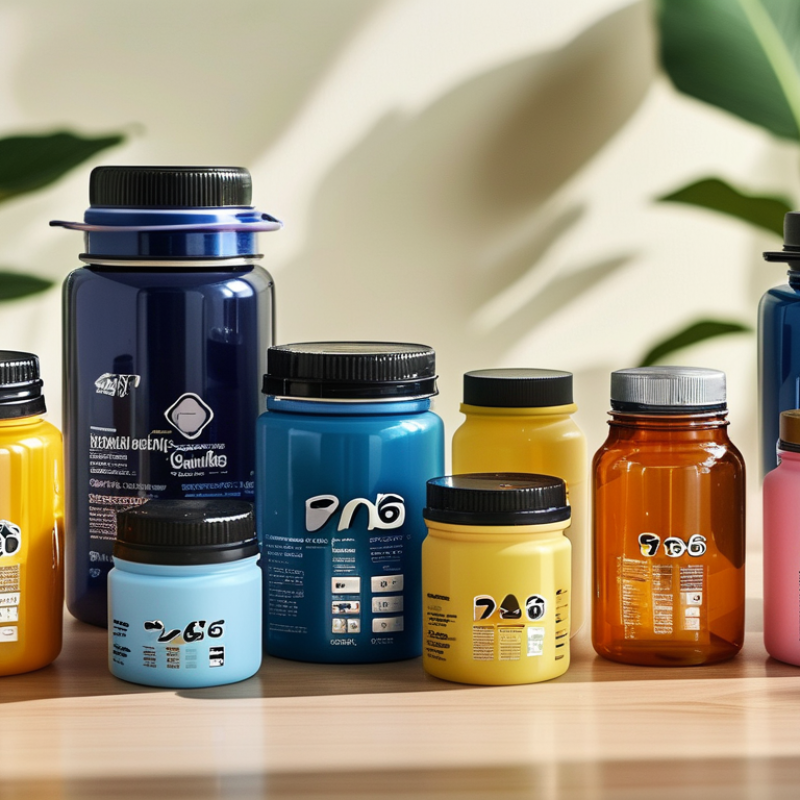
Child-resistant containers are crucial if there are young children in the house. These containers have safety features that can deter curious toddlers. However, some adults may find them challenging to open. It's a trade-off between safety and accessibility. Moreover, clear containers allow easy visibility of the contents. This can be helpful for those who take multiple medications, as it aids in quick identification.
Glass containers are elegant but can pose risks. They are breakable and may not be ideal for busy households. In contrast, plastic options are lightweight and durable. They can withstand drops and bumps, making them a safer choice for many. Remember to periodically check your containers. Outdated or expired medications should be disposed of properly. Reflecting on your storage choices can lead to safer practices in managing your health at home.
2026 How to Choose the Best Medicine Container for Safety - Types of Medicine Containers Available for Home Use
| Container Type |
Material |
Features |
Best Use Case |
Safety Rating |
| Pill Organizer |
Plastic |
Weekly/Monthly Compartments |
Chronic Medication Management |
High |
| Child-Resistant Bottle |
Glass or Plastic |
Child Safety Cap |
Household Medications |
Very High |
| Travel Pill Case |
Plastic/Metal |
Compact, Portable |
Traveling |
Medium |
| Dispensing Pump Bottle |
Plastic |
No-Spill, Measured Dosing |
Liquid Medications |
High |
| Safety Lock Box |
Metal/Plastic |
Key or Combination Lock |
High-Risk Medications |
Very High |
Key Features to Consider in a Medicine Container
Choosing the right medicine container is crucial for safety. When selecting one, consider several key features. Look for child-resistant closures. These can prevent accidental ingestion by young children. Containers that have a dull finish also help in grip, making it easier to open.
Next, consider the material. Containers made from opaque materials protect contents from light. This is key to maintaining medication efficacy. Easy-to-read labels are essential, too. Clear labeling reduces dosing errors and improves user confidence.
Ventilation is another aspect to evaluate. Some medications require air circulation to remain stable. Make sure the container allows for this. Reflect on how often you need to access the container. Frequent use may require a design that balances security with accessibility. Small flaws in design can compromise safety. Always double-check before using.
Safety Standards and Regulations for Medicine Containers
When choosing a medicine container, safety standards are crucial. These guidelines ensure that the containers protect the integrity of medications. They also help prevent accidental exposure. Most countries have specific regulations about materials used in these containers. Common materials include high-density polyethylene and glass, known for being safe and effective.
It’s important to consider child-resistant features. Containers should be difficult for young children to open. However, many adults can struggle with these features too. This creates a dilemma where safety for one group can hinder access for another. Rethinking the design can lead to better solutions that accommodate everyone.
Labeling is another element to evaluate. Clear labels facilitate proper use and dosage. They should be resistant to fading and smudging. Unfortunately, many manufacturers overlook this. Additionally, containers should not leak. Testing for leaks ensures medications remain safe and uncontaminated. Implementing consistent quality checks will enhance reliability. Choosing the right container requires thoughtful consideration and awareness of these safety standards.
Medicine Container Safety Standards Comparison
Best Practices for Organizing and Labeling Medicine Containers
When organizing medicine containers, clarity is essential. Labeling is the first step. According to the American Journal of Health-System Pharmacy, about 1.5 million people are harmed each year due to medication errors. Simple, clear labels can significantly reduce this risk. Use bold, large fonts and distinguish between similar medications by color-coding labels. This practice helps caregivers and patients identify medications quickly.
Creating a structured layout for storage is equally important. The National Institutes of Health suggests that storing medications in designated areas can prevent mix-ups. Use separate bins for daily medications and those taken less frequently. Ensure each container has a clear label, including dosage information. Consider using transparent containers for easy identification.
Reflecting on organization practices, some users may find their labeling systems inadequate. Unlabeled containers can lead to confusion, raising safety concerns. Regular audits of your medicine storage can help identify gaps in your organization. Remember, a well-organized space contributes to better health outcomes and peace of mind.



 +8618680445103