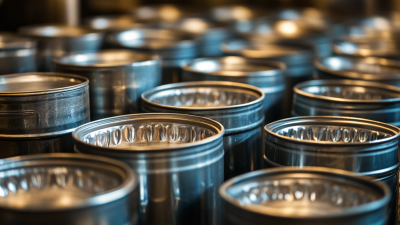
China Top Tin Boxes Trends and Innovations in 2026?
The tin box market is evolving rapidly, with innovations paving the way for 2026. According to a recent industry report, the global tin box market is projected to exceed USD 3.5 billion by 2026, growing at a CAGR of 5.2%. This growth is driven by a rising demand for sustainable packaging solutions. Brands now seek eco-friendly tin boxes that cater to consumers’ environmental concerns.
Emerging trends reveal the impact of personalization. Companies are investing in customized tin box designs to attract customers. For instance, personalized packaging can increase customer engagement by up to 70%. Yet, this shift brings challenges. Balancing sustainability with cost remains a difficult task for many manufacturers. The need for innovative materials and efficient production methods is more crucial than ever.
The future of tin boxes presents both opportunities and uncertainties. As businesses adapt to market demands, staying ahead of trends is vital. Industry leaders must embrace change while addressing the complexities of production and sustainability. This balance will define the tin box industry in the coming years.
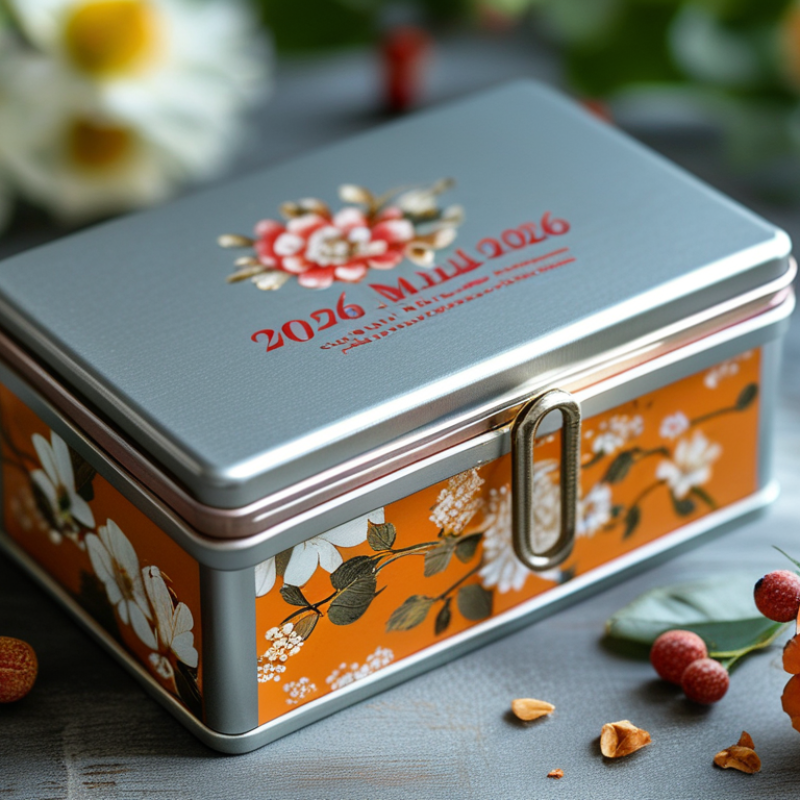
Emerging Materials in Tin Box Manufacturing for 2026
In 2026, tin box manufacturing is set to embrace innovative materials that enhance both functionality and sustainability. New composites are appearing in the market, integrating biodegradable elements. These materials aim to reduce environmental impact without sacrificing durability. Companies are exploring these options to appeal to eco-conscious consumers.
Metallic finishes are still popular, but advancements in coatings are changing the landscape. Some manufacturers are experimenting with water-based and non-toxic paints. This shift promises to improve safety and sustainability, aligning with growing regulations. Shorter production times are another goal, driven by advances in technology.
Despite these advancements, challenges remain. Finding the right balance between cost and quality is crucial. Some companies may compromise on materials to reduce expenses. It's necessary to continually evaluate the effects of these choices on overall brand integrity and consumer trust. Brands must remain vigilant in pursuing innovation without losing sight of responsible practices in tin box manufacturing.
Innovative Design Trends in Tin Boxes for Consumer Packaging
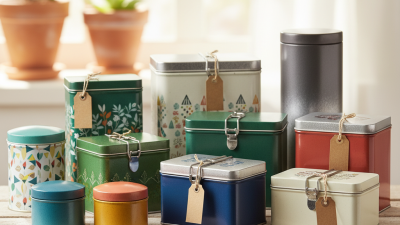
The design of tin boxes for consumer packaging is evolving rapidly. In 2026, we expect to see a surge in innovative designs that prioritize sustainability. Recycled materials will become more prominent. This change reflects consumer demand for eco-friendly packaging solutions. Colorful and playful graphics will attract attention. Brands are shifting toward minimalism, too, emphasizing clean lines and simple logos.
Functional designs will also be key. Tin boxes are no longer just containers; they are becoming multifunctional. Some will feature detachable lids or compartments for better organization. Others may include secondary uses, like storage for keepsakes. However, not all designs will succeed. Balancing aesthetic appeal and practicality can be challenging.
Another trend is personalization. Consumers appreciate unique items that reflect their identity. Brands may offer customizable options. Yet, this approach requires careful execution. Overextending a product line can lead to confusion. Each tin box, whether classic or innovative, should tell a story. Ultimately, the goal is to create a lasting connection with the buyer. The journey of innovation in tin box design is ongoing, with both challenges and opportunities ahead.
Sustainability Practices in Tin Box Production in 2026
In 2026, the tin box production industry is leaning heavily towards sustainability. A recent report indicates that about 70% of firms now utilize recycled tin materials. This shift is not just beneficial for the environment; it also reduces production costs and resource consumption significantly. Companies are increasingly aware of the lifecycle impact of their packaging products. They recognize that eco-friendly practices appeal to a growing segment of environmentally conscious consumers.
Many manufacturers are adopting innovative techniques to improve sustainability. For example, water-based inks are becoming standard in printing processes. They are less harmful to the environment compared to conventional solvents. Moreover, some producers have implemented energy-efficient technologies in their machinery, cutting energy use by up to 30%. However, challenges remain. Not every factory can afford these advancements, which creates a divide in the industry. In regions where budget constraints are common, traditional methods still dominate.
The focus isn't solely on materials and processes. Suppliers are re-evaluating the supply chain to ensure all components meet sustainability standards. Transparency in sourcing is becoming crucial. Yet, the lack of rigorous regulations means some companies may not prioritize these practices. As the industry evolves, balancing profit and sustainability will require continuous improvement and honest reflection from all stakeholders.
Technological Advancements Impacting Tin Box Supply Chains
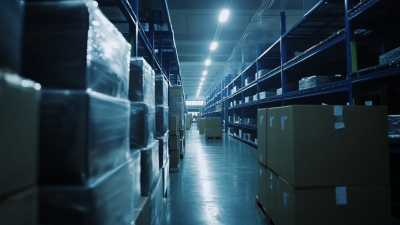
The tin box industry is experiencing significant technological advancements that reshape supply chains.
Automation is a key driver in production processes.
Factories are incorporating robotics to enhance efficiency.
This transition reduces labor costs and minimizes human error.
Digital technologies are also changing the way companies manage logistics.
Real-time tracking systems are now standard. They provide valuable data on inventory levels and transportation routes.
This information allows for quicker decision-making and better resource allocation.
However, not all businesses can afford these technologies.
Sustainability is another important trend.
Eco-friendly materials are becoming more commonly used in tin box production.
However, some manufacturers still face challenges in sourcing these materials responsibly.
The need for innovation continues to grow.
There is a delicate balance between meeting consumer demands and maintaining sustainable practices.
Market Demand Fluctuations and Consumer Preferences in 2026
In 2026, consumer preferences for tin boxes in China are evolving rapidly. A recent report indicates that around 65% of consumers now prioritize sustainability in packaging choices. Eco-friendly materials are gaining traction, with many seeking products that minimize environmental impact. This shift directly affects demand patterns, pushing manufacturers to innovate in sustainable tin box designs.
Market data reflects a shift towards customizable products. Options for personalized tin boxes have surged by 30% since last year. Shoppers increasingly expect unique designs that reflect their individual styles or corporate branding. This trend is particularly strong among younger consumers, who value distinctiveness in their purchases. However, the challenge remains: balancing customization with production efficiency.
Another noteworthy observation is the growing influence of e-commerce on consumer purchasing behaviors. Online sales of tin boxes have surged by 40% as more shoppers turn to digital platforms. Despite the convenience, there is a lingering concern regarding product quality when purchasing online. Many consumers express uncertainty about what they will receive. This presents an opportunity for companies to strengthen their online presence by focusing on transparency and quality assurance in descriptions and images.



 +8618680445103