China Best Aluminum Can Options for Every Beverage What Should You Choose?
When it comes to choosing the best Aluminum Can for your beverage, options abound. Aluminum cans have become the preferred packaging choice for many drinks due to their lightweight nature and ability to preserve flavor. They offer a sustainable solution, being easily recyclable and energy-efficient in manufacturing.
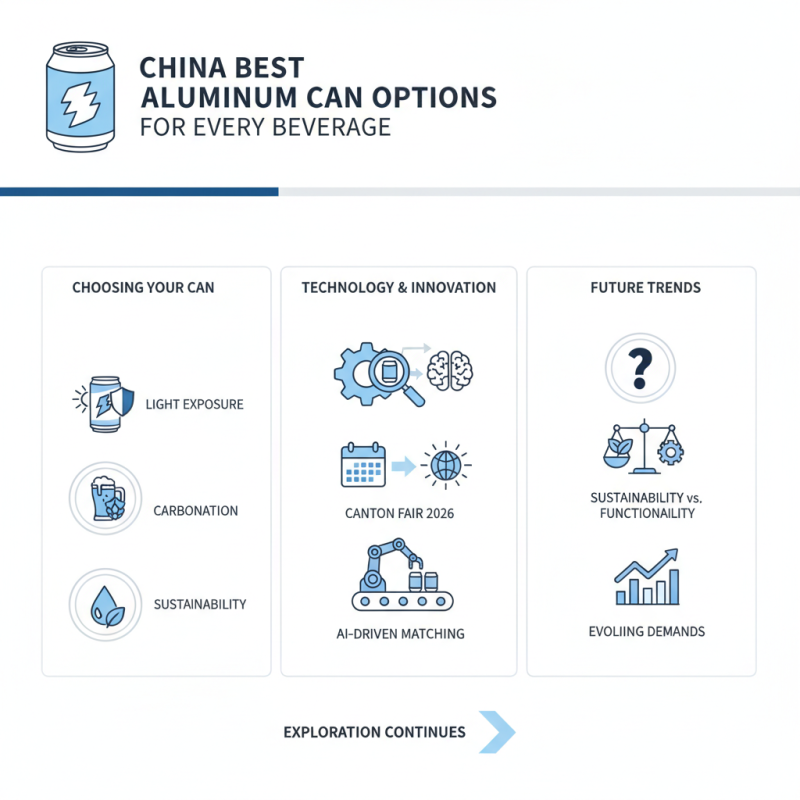
However, not all Aluminum Cans are created equal. Each type serves different beverages differently. For instance, an energy drink may require a can that minimizes light exposure, while a craft beer might benefit from a can designed to enhance carbonation. It’s essential to consider these details when selecting your ideal Aluminum Can.
Moreover, the ongoing advancements in manufacturing technology, highlighted during events like the 2026 Canton Fair, reflect the industry's focus on innovation. AI-driven solutions help suppliers match their offerings with buyer needs more accurately. This progress raises questions about the future of Aluminum Can production and how it can better meet evolving consumer demands. How do we balance sustainability with functionality? The exploration continues.
China's Leading Aluminum Can Manufacturers for Beverage Packaging
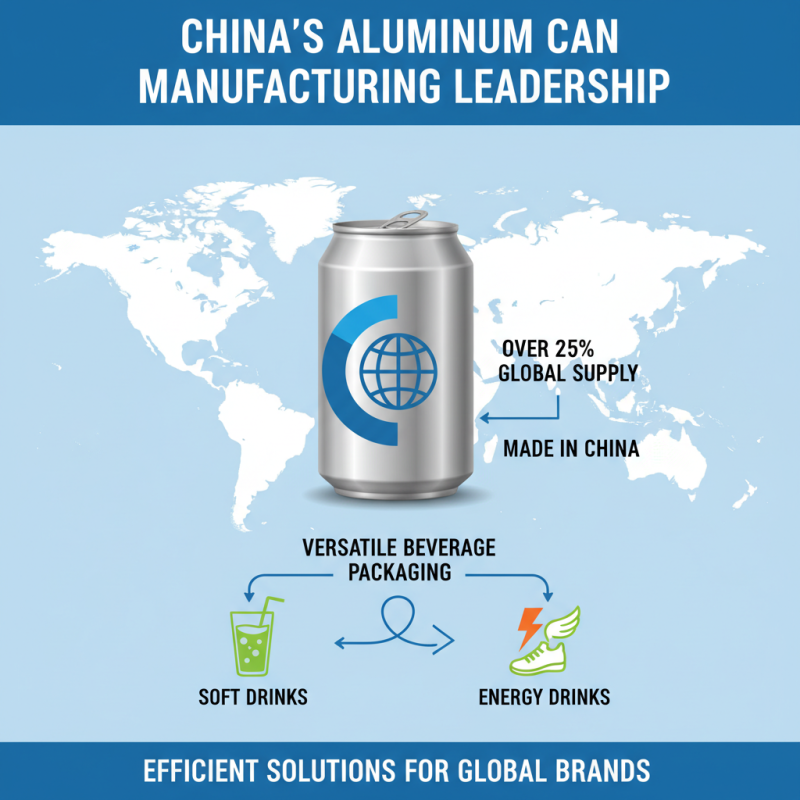
China is a leading player in the aluminum can manufacturing sector. The country produces a significant percentage of the global supply. In fact, over 25% of aluminum cans are made in China. These cans are versatile and suitable for various beverages, from soft drinks to energy drinks. This offers endless options for brands looking to package their products efficiently.
Top manufacturers in China focus on sustainability and innovation. The industry reports that about 70% of aluminum cans are recycled. This high recycling rate illustrates the environmental commitment of manufacturers. However, the challenge remains. Many producers face quality control issues, leading to variations in can strength and seal integrity. These inconsistencies can impact the beverage's shelf life and overall consumer experience.
Furthermore, reliable suppliers are essential for timely deliveries. Disruptions in the manufacturing chain can affect product availability. Brands must carefully assess their supply chain partners. While many manufacturers promise efficiency, some may lack transparency. It’s crucial to engage in thorough research to find trustworthy partners. This not only safeguards product quality but also enhances brand reputation.
Types of Aluminum Cans: Choosing the Right Shape and Size
When it comes to aluminum cans, size and shape truly matter. Beverage choices range widely. Different drinks appeal to various preferences. For instance, a slender can seems ideal for sparkling water. It highlights the drink's fizz. Meanwhile, a wider can could hold a richer, heavier beverage, like a stout. Each design influences how we experience our drink.
Consider the typical 12-ounce can. It's a popular choice. This size works well for beers and soft drinks alike. Yet, larger 16-ounce cans have gained traction. They offer more volume without the need for a refill. Smaller, 8-ounce cans also serve a purpose. They're perfect for kids or casual sipping. Choosing the right can shape may alter your drinking experience.
Despite all those options, the perfect fit can seem elusive. Sometimes, we might pick based on aesthetics rather than practicality. A beautiful design might catch our eye, but it could lack functionality. Reflecting on choices is crucial. Each beverage deserves a fitting vessel. Understanding the relationship between the can and what’s inside can enhance the enjoyment.
Sustainability and Eco-Friendliness of Aluminum Beverage Cans
Aluminum beverage cans are becoming increasingly popular due to their sustainability and eco-friendliness. In recent years, studies show that aluminum cans have a recycling rate of over 70% globally. This number is impressive compared to many other materials. The production of aluminum cans uses significantly less energy than creating new cans from raw materials.
However, not all aluminum is sourced responsibly. Mining bauxite, the raw material for aluminum, can lead to serious environmental issues. Deforestation and water pollution are concerning factors. Thus, it's vital to choose cans from manufacturers committed to sustainable practices. Look for certifications that indicate reused or recycled content.
Tips: Always check local recycling guidelines. Different regions have distinct rules. Also, consider reducing your overall can consumption. While recycling is great, reducing waste is even better. Evaluate your needs carefully. Strive for a balance between convenience and environmental responsibility. Remember, every small choice helps.
Cost Considerations: Budget-Friendly Options for Beverage Producers
When selecting aluminum cans, cost is a vital factor for beverage producers. A well-structured budget helps ensure profitability. There are several options available that strike a balance between quality and affordability. To save money without sacrificing the product’s integrity, consider bulk purchases. This approach often yields significant discounts.
Tips: Research local suppliers. Local sourcing can reduce shipping costs. Building relationships can lead to better deals.
Another important consideration is the thickness of the aluminum. Thinner cans are often cheaper but may compromise durability. Evaluate the trade-off between price and quality. It’s essential to prioritize the protection of your beverage.
Keep in mind that packaging design also impacts cost. First impressions matter. Investing in eye-catching designs can increase sales, even if initial costs rise. Review your choices and reflect on what aligns with your long-term vision.
Tips: Test various can designs. Use focus groups to gauge consumer interest. Their feedback can guide your decisions.
China Best Aluminum Can Options for Every Beverage
Customization and Design: Making Your Brand Stand Out with Aluminum Cans
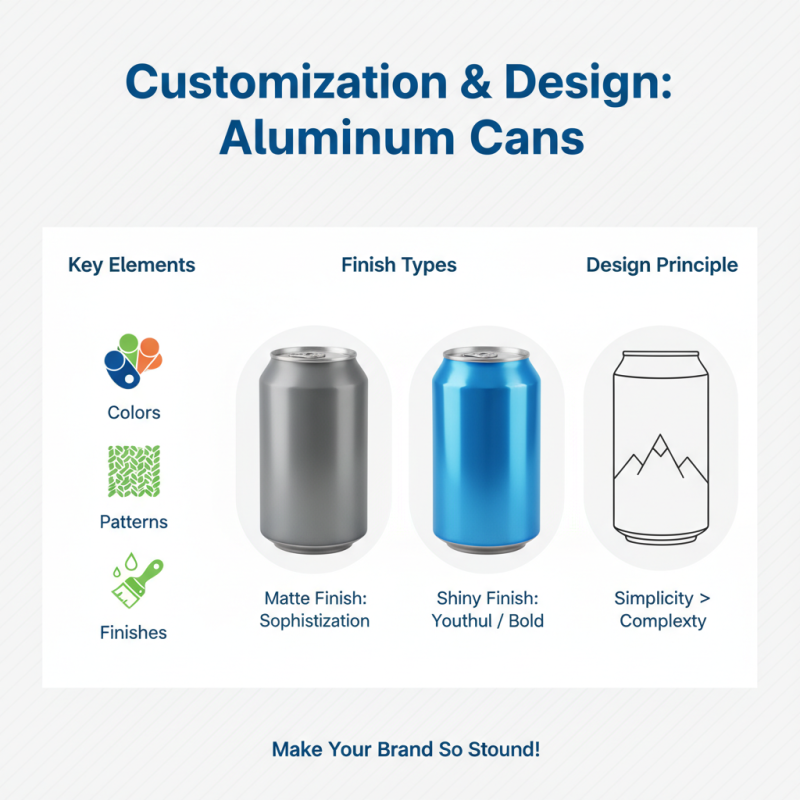
In the competitive beverage market, appealing designs set brands apart. Aluminum cans offer endless customization options. Colors, patterns, and finishes are key elements. A matte finish can evoke sophistication. A shiny, vibrant look can attract a younger audience. Keep in mind, simplicity often resonates more than complexity.
Every detail matters in can design. Graphics should be eye-catching but not overwhelming. Consider the can’s shape and size as well. Slim cans appeal to health-conscious consumers. Wider cans can attract those looking for a generous serving. Remember, designs must align with your brand’s identity, or they may confuse potential buyers.
While creativity is vital, overlooking details can backfire. Misaligned colors or blurred prints can tarnish your image. Test designs with focus groups for honest feedback. What looks good to you might miss the mark for others. Embrace the iterative process. It’s okay to adjust designs until they truly reflect your brand’s essence.



 +8618680445103