Top 10 Benefits of Using Container Metal for Shipping and Storage Solutions
In today's fast-paced global trade environment, the efficiency of shipping and storage solutions is paramount. One innovative material that has revolutionized these sectors is Container Metal. Known for its durability and strength, Container Metal provides a robust framework for transporting goods safely across vast distances. The versatility of Container Metal makes it an ideal choice for various applications, whether for shipping bulk products or storing equipment in a secure environment.
The benefits of using Container Metal in shipping and storage solutions are numerous. From enhanced protection against environmental elements to cost-effectiveness in the long run, this material offers a range of advantages that can significantly improve operational efficiency. Furthermore, Container Metal's lightweight nature allows for maximized cargo capacity without compromising structural integrity. As businesses continue to seek sustainable and practical solutions, understanding the top benefits of Container Metal becomes essential in making informed decisions that align with modern logistical demands.
Advantages of Container Metal in the Shipping Industry
Container metal has become a critical element in the shipping industry, providing various advantages that enhance both shipping and storage solutions. One of the primary benefits is durability; metal containers can withstand harsh environmental conditions better than alternative materials. According to a report from the International Maritime Organization, steel shipping containers have an estimated lifespan of 10-20 years, depending on maintenance and usage, making them a cost-effective choice for long-term investments. Additionally, these containers are highly resistant to theft and damage, which is a significant concern in global shipping logistics.
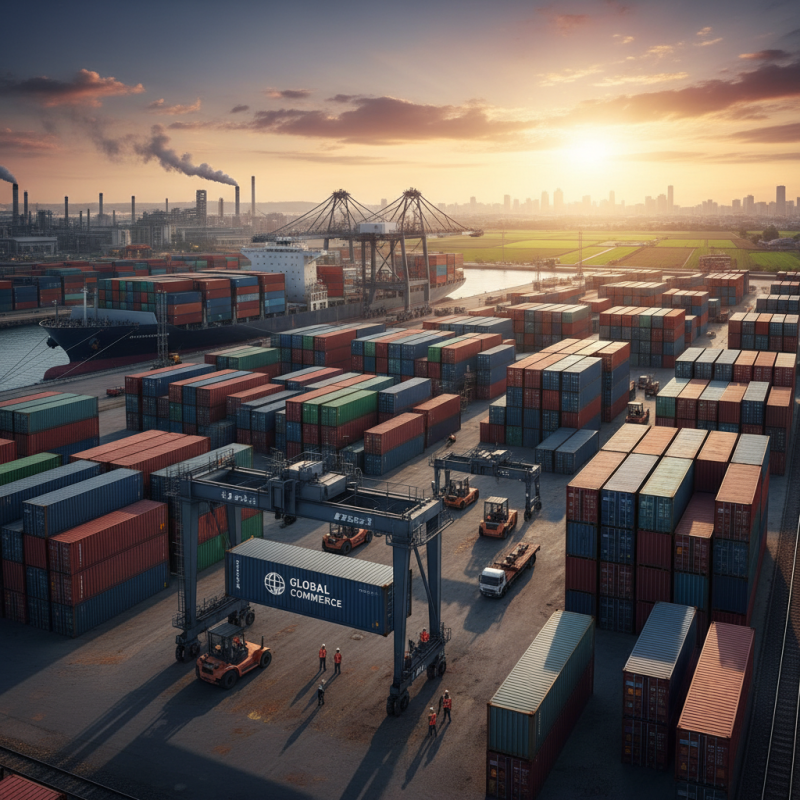
Another key advantage is flexibility. Metal containers come in various sizes and configurations, allowing for efficient stacking and handling. The World Shipping Council notes that the global volume of containerized cargo has consistently increased, with over 800 million TEUs (twenty-foot equivalent units) handled in 2020. This rise emphasizes the importance of using versatile storage solutions that adapt to changing demands.
**Tips:** When choosing container metal for your shipping needs, consider investing in containers with weatherproof features to protect your goods from moisture and corrosion. Additionally, maintaining a regular inspection schedule can significantly prolong the lifespan of your containers and mitigate potential issues. It’s also advisable to collaborate with logistics providers who utilize advanced tracking technologies to ensure the safe transit of your cargo.
Cost-Effectiveness of Using Metal Containers
The cost-effectiveness of using metal containers for shipping and storage solutions is increasingly recognized within the logistics industry. According to a report by the Global Shipping and Logistics Association, metal containers can reduce shipping costs by up to 30% compared to traditional wooden or plastic options. This is primarily due to their durability and capacity to withstand harsh environmental conditions, minimizing damage during transit. Metal containers are also stackable and modular, allowing for optimized storage in warehouses and shipping vessels, further decreasing operational costs.
Moreover, the long lifespan of metal containers contributes significantly to their cost-effectiveness. Research conducted by the International Maritime Organization indicates that metal containers have an average lifespan of 20-25 years, far exceeding that of alternatives. This longevity reduces the frequency of replacements, allowing businesses to make a single, long-term investment rather than incurring continuous expenses. Additionally, the inherent recyclability of metal containers supports sustainability initiatives while decreasing waste management costs, making them an economically and environmentally sound choice for companies looking to enhance their shipping and storage capabilities.
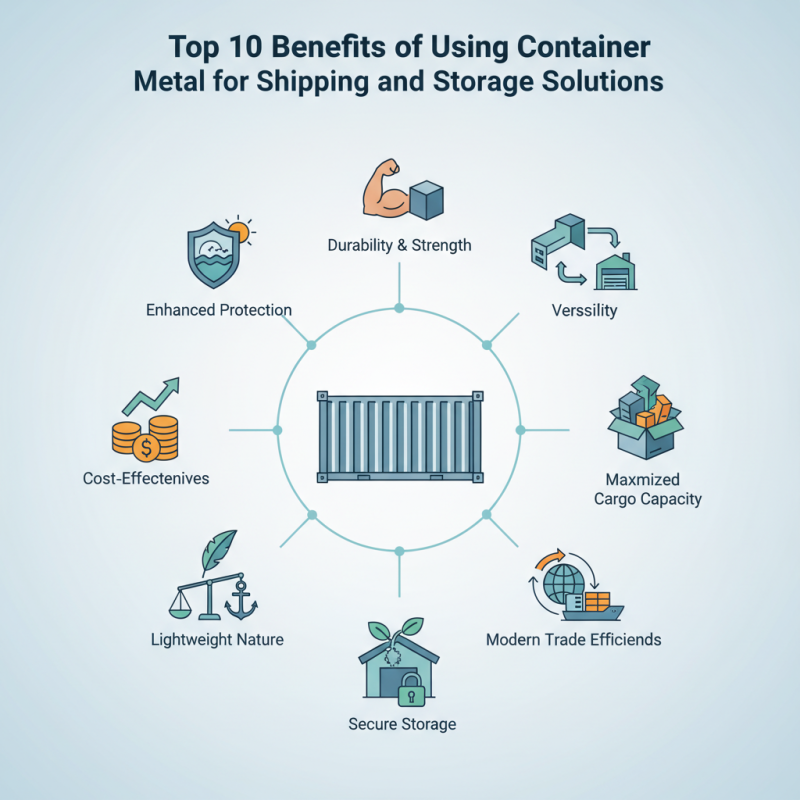
Top 10 Benefits of Using Container Metal for Shipping and Storage Solutions
This bar chart illustrates the top benefits of using metal containers for shipping and storage. The data shows how various advantages contribute to the overall cost-effectiveness of metal containers in comparison to other materials.
Durability and Longevity of Metal Containers for Storage
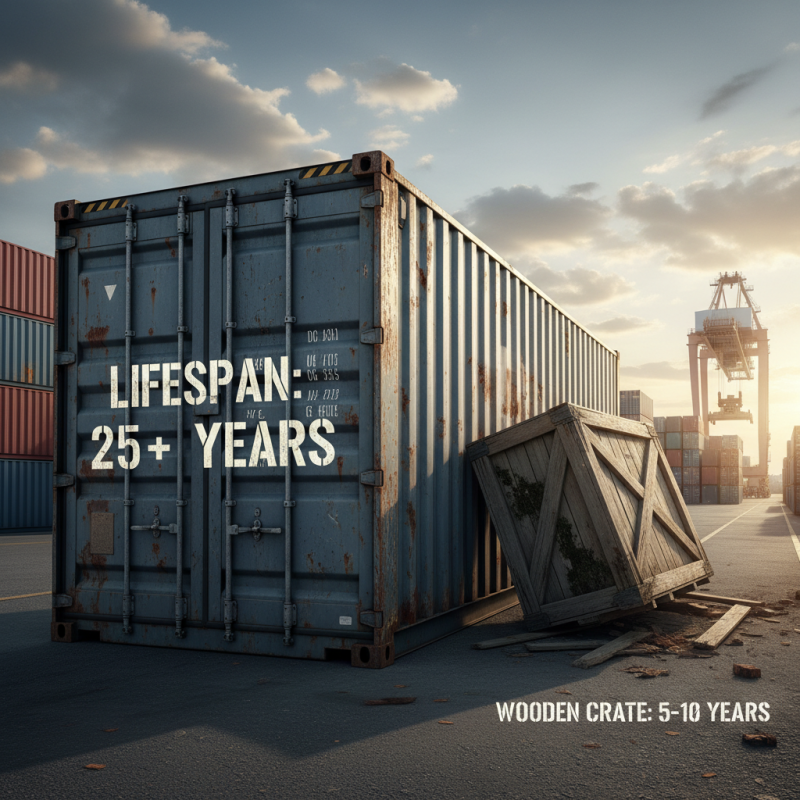
When considering storage and shipping solutions, the durability and longevity of metal containers stand out as critical factors. Metal containers, designed to withstand harsh environmental conditions, exhibit remarkable resistance to corrosion, rust, and extreme temperatures. According to a report by the International Council on Containers, metal containers can last up to 25 years with minimal maintenance, significantly lower than the average lifespan of wooden alternatives, which typically endure for only 5 to 10 years. This longevity not only reduces the need for frequent replacements but also contributes to cost-effectiveness for businesses.
Furthermore, the structural integrity of metal containers ensures that goods remain secure during transport. A study from the Containerization International journal indicates that over 80% of shipping injuries result from container failure, often due to poor material quality. Metal containers provide a robust option, supporting weights of several tons without compromising safety. This blend of durability and security makes metal containers an excellent choice for companies looking to optimize their shipping and storage strategies while minimizing risks associated with container failures. Ultimately, the resilience of metal containers positions them as a preferred solution in the logistics industry, enhancing operational efficiency and reliability.
Environmental Benefits of Metal Containers for Shipping
The environmental benefits of using metal containers for shipping are becoming increasingly recognized in the logistics industry. According to a report by the International Maritime Organization, shipping contributes approximately 2-3% of global greenhouse gas emissions. By utilizing metal containers, which are often made from recyclable materials, companies can significantly reduce their carbon footprint. Metal containers can be reused for up to 25 years and can be fully recycled at the end of their life cycle, minimizing waste in landfills. This longevity and recyclability highlight the sustainable nature of metal as a shipping solution.
Moreover, metal containers are designed for enhanced durability and protection, which decreases the likelihood of product damage during transit. A study from the Waste Management journal indicates that using durable materials like metal can reduce product loss by up to 30%, lowering the resources needed for replacement products. This not only conserves resources but also reduces emissions related to manufacturing replacements.
Tips: When considering shipping solutions, opt for suppliers who prioritize eco-friendly materials and practices. Additionally, think about incorporating logistics technologies that optimize routes and reduce fuel consumption. By making informed choices, businesses can support sustainable shipping practices while maintaining efficiency.
Versatility of Metal Containers in Various Industries
Metal containers have become increasingly popular across various industries due to their versatility and efficiency in shipping and storage solutions. According to a report by Allied Market Research, the global container shipping market is expected to reach $9.4 billion by 2027, indicating a significant demand for durable and reliable storage options. Metal containers are ideal for transporting goods across different sectors, including agriculture, manufacturing, and retail, thanks to their robust construction that can withstand harsh environmental conditions.
One of the standout features of metal containers is their adaptability. They can be customized to suit specific requirements, whether for creating portable warehouses in construction or providing secure transport for sensitive electronics. The International Maritime Organization states that around 80% of global trade by volume is carried by sea, which underscores the importance of efficient and sturdy shipping solutions. With metal containers, businesses can ensure that their products are not only protected but also comply with safety standards worldwide, thereby enhancing operational efficiency and reducing the risk of damage during transit.



 +8618680445103