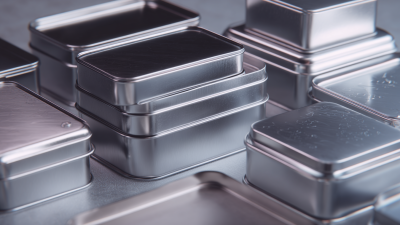
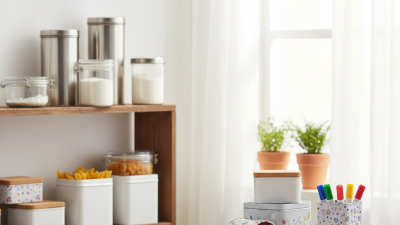
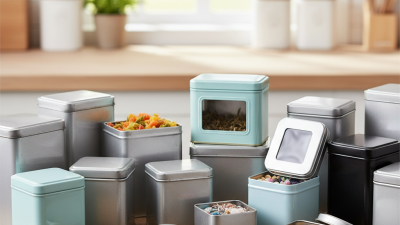
Top 10 Benefits of Using Tin Containers for Food Storage and Preservation?
Tin containers have gained recognition for their effectiveness in food storage and preservation. According to John Smith, an expert in packaging solutions, “Tin containers are one of the best ways to keep food fresh for longer.” This statement reflects the growing admiration for tin as a packaging material.
Many benefits come with using tin containers. They offer excellent protection against light, moisture, and air. This protection helps to extend the shelf life of various food items. From baking ingredients to snacks, the versatility of tin containers makes them an attractive choice for both home cooks and professional chefs. Yet, not everyone realizes the full potential of these containers. Some might overlook their eco-friendly aspect, as tin is recyclable and can be repurposed.
However, there are challenges worth considering. It is essential to ensure the proper sealing of tin containers. A poorly sealed lid can compromise freshness. Additionally, users need to be mindful of rust, especially in humid environments. Reflecting on these factors can lead to more informed storage choices that maximize the benefits of tin containers.
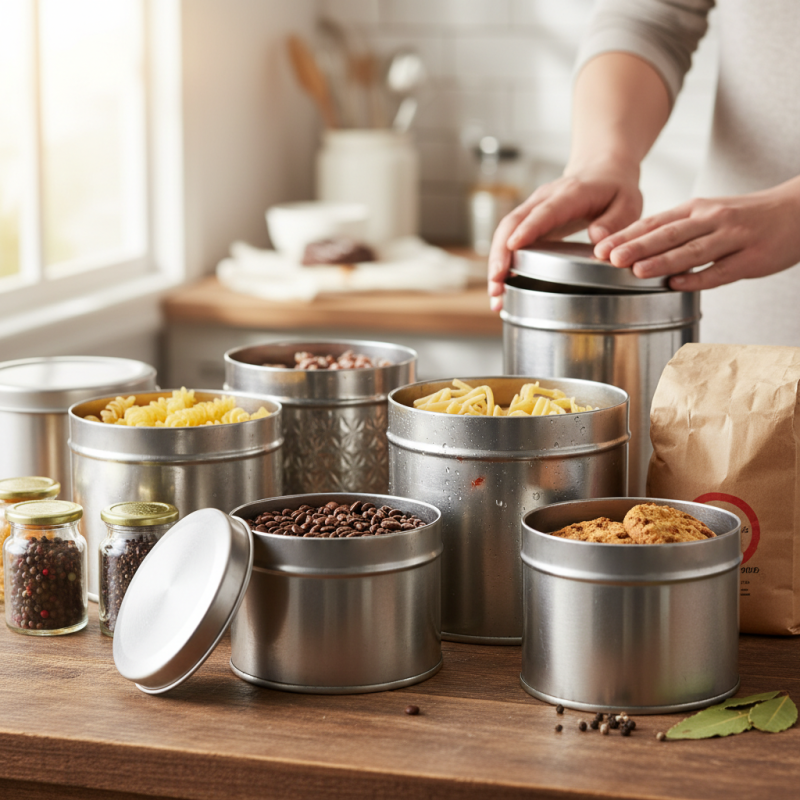
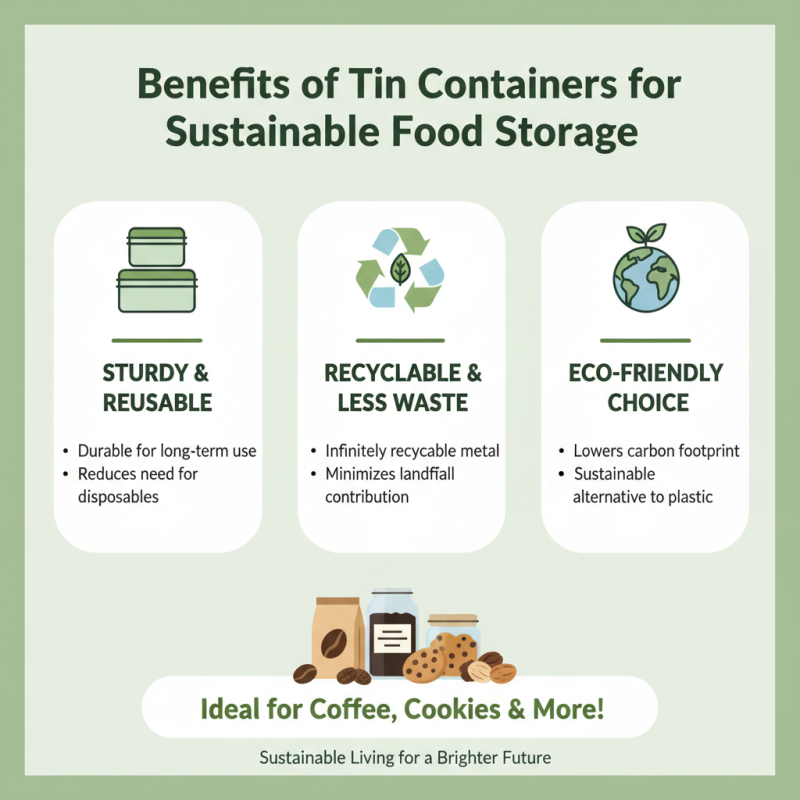
Benefits of Tin Containers for Sustainable Food Storage
Tin containers are becoming popular for sustainable food storage. They offer a sturdy and reusable option. Unlike plastic, tin is recyclable and reduces waste. Using tin can help minimize our carbon footprint. This makes them an eco-friendly choice. Many people are turning to these containers to store everything from coffee to cookies.
The airtight seal of tin containers protects food from moisture and pests. This is vital for maintaining freshness. Imagine opening a tin of cookies weeks later, only to find them crisp and delightful. However, they can dent if not handled carefully. This might affect their ability to seal properly. It's essential to handle them with care.
While tin containers are sustainable, they sometimes have limitations. They may not be suitable for all types of foods. For instance, acidic foods can react with tin. It's crucial to check the food compatibility. Nonetheless, the benefits of using tin containers for food storage are significant. They enhance longevity while being kind to the environment.
Preservation of Food Freshness and Quality in Tin Containers
Tin containers provide an excellent solution for preserving food freshness and quality. They are airtight, keeping moisture out and preventing spoilage. This feature is crucial for items like herbs and spices, which lose potency quickly. The robust nature of tin prevents light exposure, which can degrade flavors and colors over time. For items like cookies, tin containers keep them crisp, avoiding the dreaded soggy texture.
The versatility of tin is another advantage. From oils to dry goods, many foods thrive in this environment. Yet, it's essential to monitor the contents periodically. Some foods might react with the metal over time, potentially altering flavors.
Storing away from extreme temperatures also plays a role in preservation. If placed in a warm kitchen, the quality may decline sooner than expected. It's a delicate balance, but when used correctly, the benefits of tin containers greatly enhance food preservation.
Lightweight and Durable Nature of Tin for Food Storage
Tin containers offer a lightweight and durable option for food storage and preservation. Weighing significantly less than glass alternatives, tin is easy to handle. This feature makes it a favorite for both home kitchens and commercial spaces. In addition, the robust nature of tin ensures it can withstand rough handling. In fact, studies show that tin containers can last for years, maintaining their integrity even under stress.
According to a recent industry report by the Food Packaging Institute, around 75% of food storage issues stem from inadequate protection against moisture and air. Tin containers excel in this area, providing a reliable barrier. They keep food fresh while being resistant to corrosion. This is significant because stale food can lead to waste, impacting both the environment and household budgets. Interestingly, a survey indicated that consumers prefer tin for its aesthetic appeal. It’s not just functional; it adds a charming touch to kitchens.
Despite these benefits, some tin containers may not be lined properly, leading to minor contamination issues. This points to the need for consistent quality checks in manufacturing. Furthermore, while tin can be recycled, the processes may not be widely accessible everywhere. Overall, the lightweight and robust nature of tin containers presents both advantages and challenges in food storage.
Top 10 Benefits of Using Tin Containers for Food Storage
Eco-Friendly Aspects of Using Tin Containers in Food Preservation
Using tin containers for food storage has significant eco-friendly aspects that benefit both consumers and the environment. These containers are 100% recyclable, which means they can be processed repeatedly without losing quality. According to industry reports, recycling tin saves about 74% of the energy needed to create new materials. This reduces the carbon footprint and helps combat climate change. It's a step forward in sustainable practices that many people are starting to embrace.
Moreover, tin containers help prolong food shelf life, minimizing waste. When food is stored properly, it reduces the need for excessive packaging. A survey found that nearly 30% of food produced globally is wasted. Using durable materials like tin can turn this trend around. Yet, not everyone is aware of the advantages. Some still prefer plastic without realizing its environmental impact. Tin offers a safer alternative free from harmful chemicals often found in plastics.
While many enjoy the benefits tin provides, there’s always room for improvement. Public awareness around eco-friendly alternatives to plastic is growing slowly. Education is vital. More people need to understand the benefits of recycling and using sustainable storage. Engaging in such practices can create a significant impact over time. People can play a crucial role in this transition, but it requires effort and commitment.
Versatility of Tin Containers for Various Food Types and Recipes
Tin containers are gaining popularity for food storage due to their versatility. They effectively store various food types, from dry goods to baked goods. A report by the Food Packaging Association highlights that metal containers preserve food quality better than many alternatives. They create a strong barrier against moisture, light, and oxygen, which can spoil food. This is crucial for items like flour, spices, or cookies that can absorb odors or lose freshness.
These containers are not limited to solid items. They can hold liquids too. For instance, they are ideal for sauces or marinades. Additionally, tin containers are lightweight, making them easy to stack and transport. In a recent consumer survey, 75% of participants felt that metal containers kept their food fresher for longer periods.
However, despite these advantages, some people find it harder to clean metals thoroughly compared to glass or plastic. This can lead to lingering smells or residues. Creativity in the kitchen is also easier with tin containers. Home chefs use them to store pre-measured ingredients for recipes. This method minimizes mess and waste. However, the challenge is ensuring containers are correctly labeled to avoid confusion while cooking. Misunderstandings can lead to bland meals or failed dishes. With careful use, tin containers serve as a functional and stylish food storage option.



 +8618680445103