How to Choose the Right Metal Tins for Your Packaging Needs
When it comes to selecting the perfect packaging solution, understanding the varied options available is crucial, especially in the realm of Metal Tins. Industry expert Johnathan Steele, a recognized voice in packaging innovations, emphasizes, “The right Metal Tins can enhance both product appeal and shelf life, making them an invaluable asset for any brand.” This statement encapsulates the essence of why choosing the appropriate Metal Tins is a significant consideration for businesses looking to elevate their packaging game.
Metal Tins serve not only as an effective means of preserving products but also as a powerful marketing tool. Their versatility allows for usage across a wide range of industries, from cosmetics to gourmet foods. As consumers become increasingly focused on sustainable and aesthetically pleasing packaging, the demand for well-designed Metal Tins continues to grow. The process of selecting the right tin involves understanding various factors such as size, shape, closure type, and material finish. This guide aims to unravel these complexities, providing insights that will help you make informed decisions tailored to your specific packaging needs.
Ultimately, the right Metal Tins can make a significant impact on your brand’s presentation and product success. As we delve deeper into this topic, we will explore key considerations and best practices to ensure that your packaging choice aligns perfectly with your brand identity and customer expectations.

Understanding Your Packaging Requirements for Metal Tins
When selecting the right metal tins for your packaging needs, understanding your specific requirements is crucial. Metal tins serve various purposes across industries, from food and beverage to cosmetics and healthcare. According to a recent market research report by Smithers, the global packaging market is projected to grow by 3.5% annually, with metal packaging being one of the significant contributors to this growth. This highlights the increasing popularity of metal tins due to their durability, recyclability, and aesthetic appeal.
One key consideration is the size and shape of the tin, which should align with the dimensions of your product. For example, square tins are often favored for their efficient use of space and stacking ability, while round tins may provide a classic look and easier access for customers. Additionally, assessing the sealing mechanisms is essential; for products requiring airtight protection, look for tins that feature a secure lid to prevent contamination.
Tips: Always conduct a compatibility test with your product to ensure that the metal will not react adversely. Also, consider your target audience—if your product appeals to environmentally conscious consumers, opting for recyclable metals can enhance your brand image and appeal. By thoroughly understanding your packaging requirements, you can choose the right metal tins that not only protect your products but also enhance your brand's visibility and market potential.
Key Factors to Consider When Selecting Metal Tins
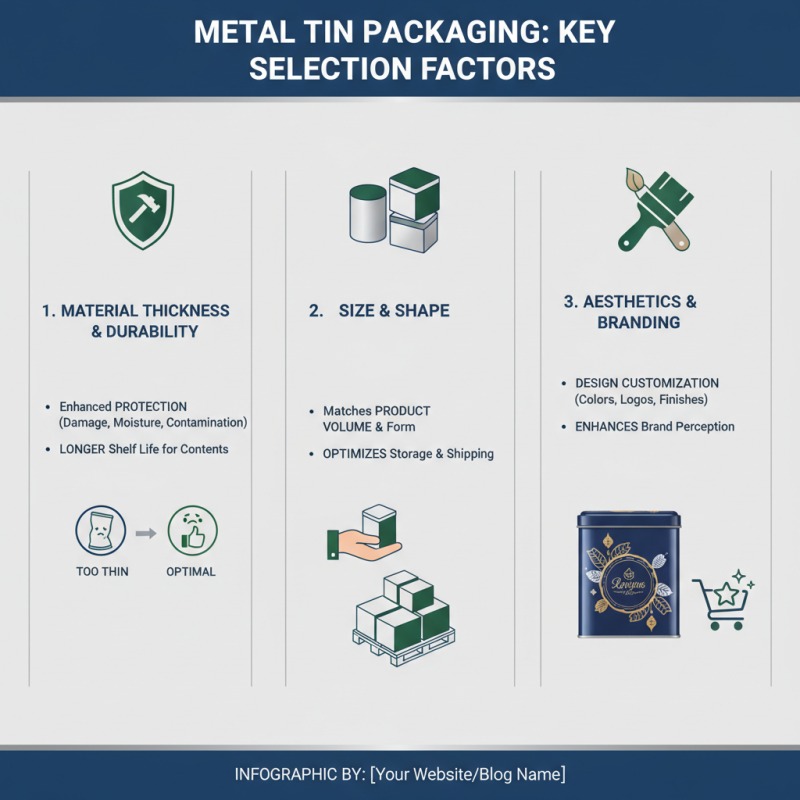
When selecting metal tins for your packaging needs, several key factors come into play that can impact both functionality and aesthetics. First and foremost, consider the material's thickness and durability. A tin that is too thin may not protect the contents effectively, while a thicker tin provides enhanced protection against damage, moisture, and contamination. This is especially crucial if you're packaging items that require a longer shelf life.
Additionally, the size and shape of the tin should align with the type of product you are packaging. Ensure that the dimensions provide sufficient space for your items without being excessively large, which could lead to wasted materials and increased shipping costs. It’s also essential to think about the design and finish of the tin. A visually appealing tin can enhance your product's marketability, so consider options like custom prints or finishes that resonate with your brand identity.
**Tips:** Always order samples to test the structural integrity and finish before making a larger investment, as this will help ensure that the tins meet your expectations. Furthermore, keep sustainability in mind; choosing recyclable materials can improve your brand's image while attracting environmentally-conscious consumers. Lastly, assess your budget against the variety of options available, as finding a balance between cost and quality is paramount for successful packaging.
Exploring Different Types of Metal Tins Available in the Market
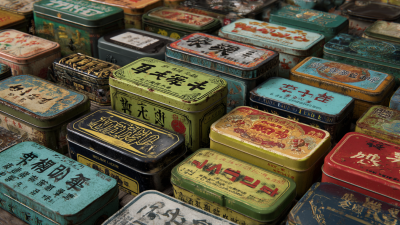
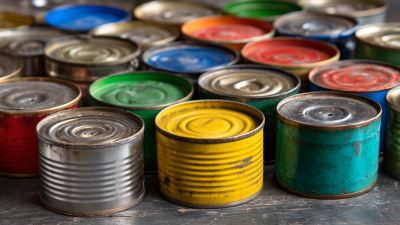
When selecting metal tins for packaging, it's essential to explore the various types available on the market to find the best fit for your products. Metal tins come in a range of styles, sizes, and finishes, each serving different purposes. For example, round tins are commonly used for candies and baked goods, while rectangular tins are ideal for packaging specialty items like teas and spices. Additionally, some tins feature locking mechanisms that ensure the contents remain fresh, making them perfect for food packaging.
Tips: Consider the product's dimensions and the desired shelf life when choosing a tin. Clear labeling can enhance the visual appeal and facilitate easier identification of the contents, which is crucial for attracting customers.
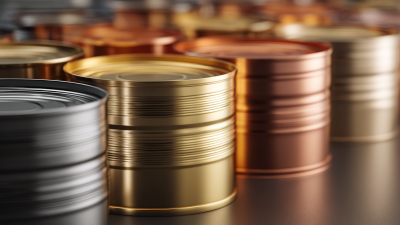
Another factor to consider is the finish of the tin. Matte finishes can impart a sophisticated look, while glossy finishes tend to stand out more on shelves, potentially increasing impulse purchases. Specialty tins with decorative designs or embossed patterns can also elevate the perceived value of the product, making them a great choice for gifts or premium items.
Tips: Always assess the durability of the tin, especially if the products are to be shipped. A sturdy tin ensures that your packaging remains intact during transport, preserving both the product’s integrity and your brand's reputation.
Evaluating Customization Options for Your Metal Tin Packaging
When selecting metal tins for your packaging needs, evaluating customization options is crucial in ensuring that the final product aligns with your brand identity and market demands. A recent industry report from Smithers Pira indicates that the global market for packaging customization is expected to grow by approximately 4% annually, underlining the significance of tailored packaging solutions. Custom features such as embossed logos, distinctive shapes, and various finishes can significantly enhance shelf appeal and consumer perception. Engaging potential customers with unique designs can result in increased brand loyalty, as packaging has been shown to influence purchasing decisions for about 70% of consumers.
Moreover, it is essential to consider the functionality alongside customization. Depending on the intended use of the metal tins—whether for food, cosmetics, or other products—specific features like airtight seals, ease of opening, and ergonomic designs may be necessary. A study by Allied Market Research reveals that over 60% of consumers prefer packaging that not only looks good but also provides convenience and durability, making these attributes vital when choosing the right metal tins. By balancing aesthetic and practical customization options, businesses can significantly improve their packaging strategy and enhance overall customer satisfaction.
How to Choose the Right Metal Tins for Your Packaging Needs - Evaluating Customization Options for Your Metal Tin Packaging
| Tin Size |
Capacity (ml) |
Customization Options |
Material Thickness (mm) |
Common Uses |
| Small Round |
50 |
Full Color Print, Embossing |
0.25 |
Candies, Balm |
| Medium Square |
150 |
Silk Screen Print, Custom Shapes |
0.3 |
Tea, Herbs |
| Large Rectangular |
500 |
Lid Printing, Labeling |
0.4 |
Cookies, Snacks |
| Extra Large |
1000 |
Custom Artwork, Finishes |
0.5 |
Gift Baskets, Bulk Items |
Assessing Cost-Effectiveness and Sustainability in Metal Tin Choices
When selecting metal tins for packaging, evaluating cost-effectiveness and sustainability is crucial. Metal tins, often seen as a premium packaging choice, can vary significantly in price and environmental impact. A cost-effective option should balance the initial investment with potential savings in shipping and storage due to their durable nature. Not only do metal tins protect products from light and moisture, reducing waste, but they also have a long lifespan, which can enhance overall value.
Tips: Always consider sourcing tins from suppliers who emphasize sustainable practices. Look for options made from recycled materials or those that offer a take-back program to encourage recycling after use. This not only lowers your carbon footprint but also appeals to eco-conscious consumers who value sustainability in their purchasing decisions.
Moreover, evaluate the total lifecycle of the tins. Assessing factors such as energy consumption during production, recyclability, and the availability of materials can inform your choice. Opting for tins that are designed to be reused or repurposed can be a smart move in promoting both sustainability and cost-saving measures in the long run.
Cost-Effectiveness and Sustainability of Metal Tins



 +8618680445103